Turns Out China’s Young AI Talent Is Competing So Hard It’s Shocking the Industry
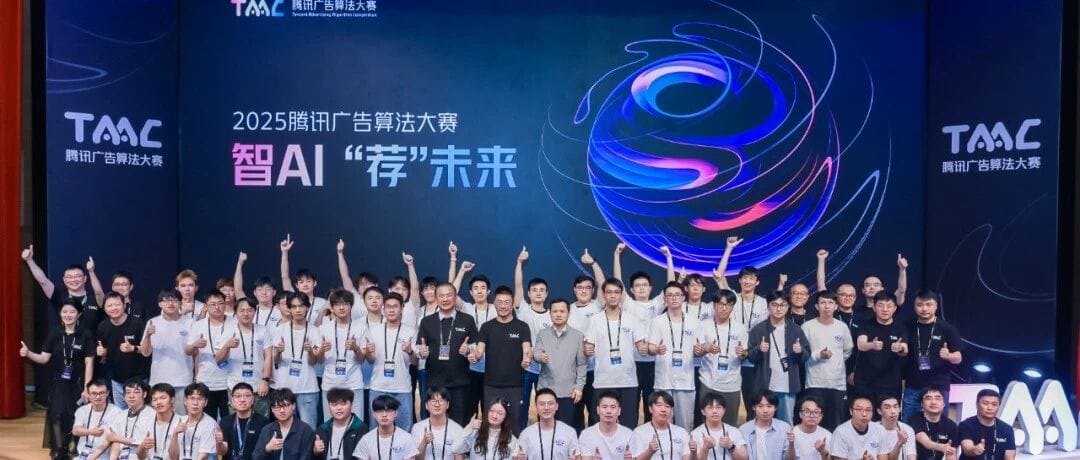
A Five-Month Tech Marathon on Xiaohongshu
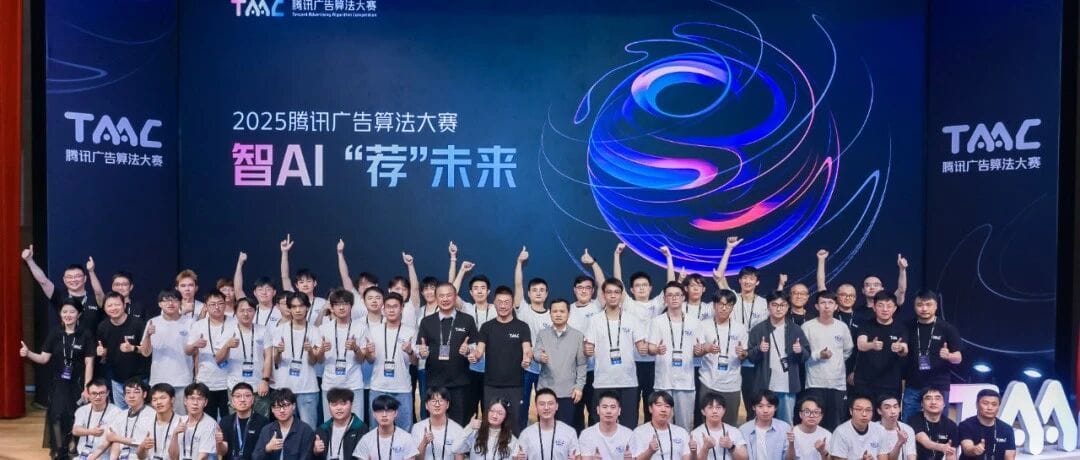
On Xiaohongshu, a community of tech-loving young people organized an unusually long five-month team-building algorithm challenge.
Participants openly shared experiences:
- “Thanks for the boost, legend!”
- “After using your method, my ranking skyrocketed!”
- “One person single-handedly reshuffled the entire leaderboard!”
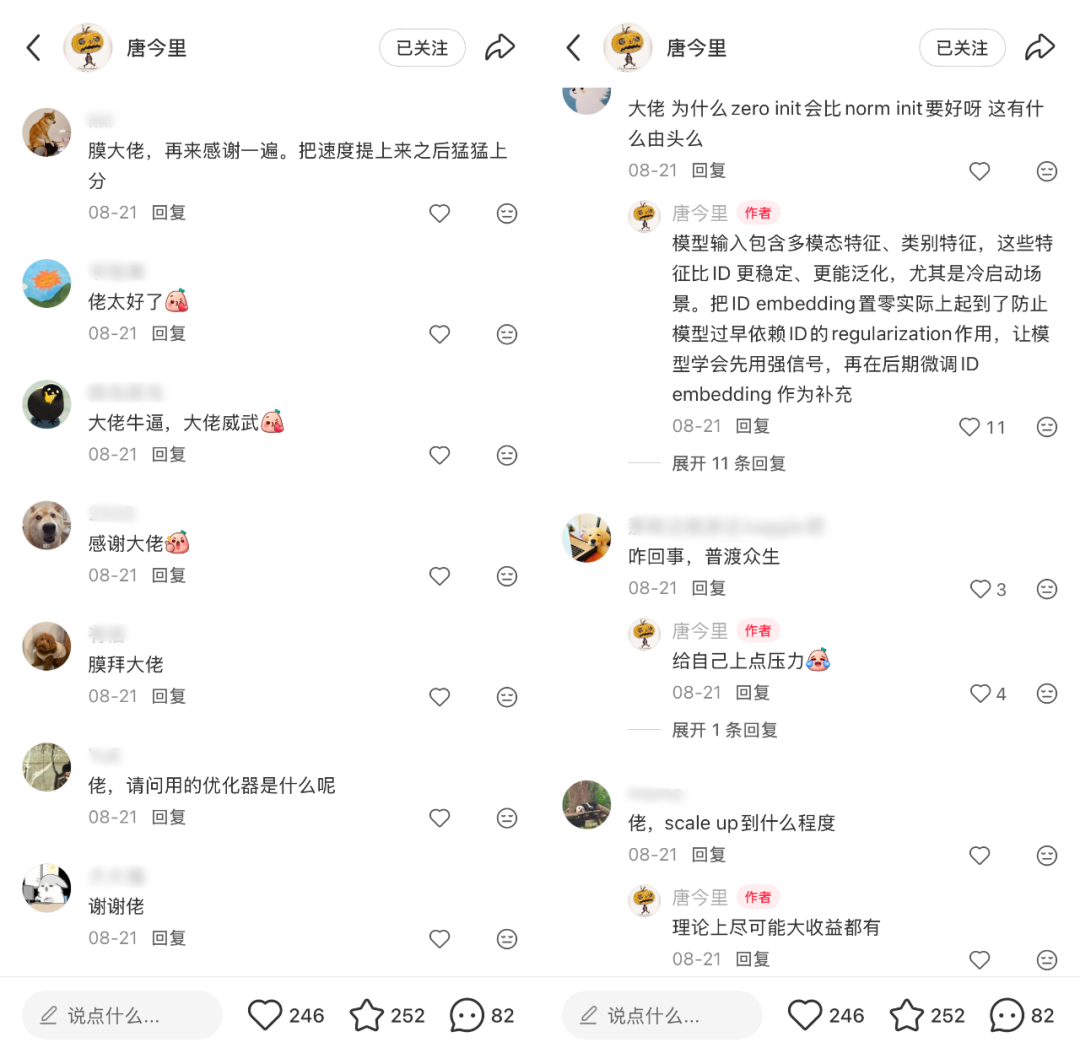
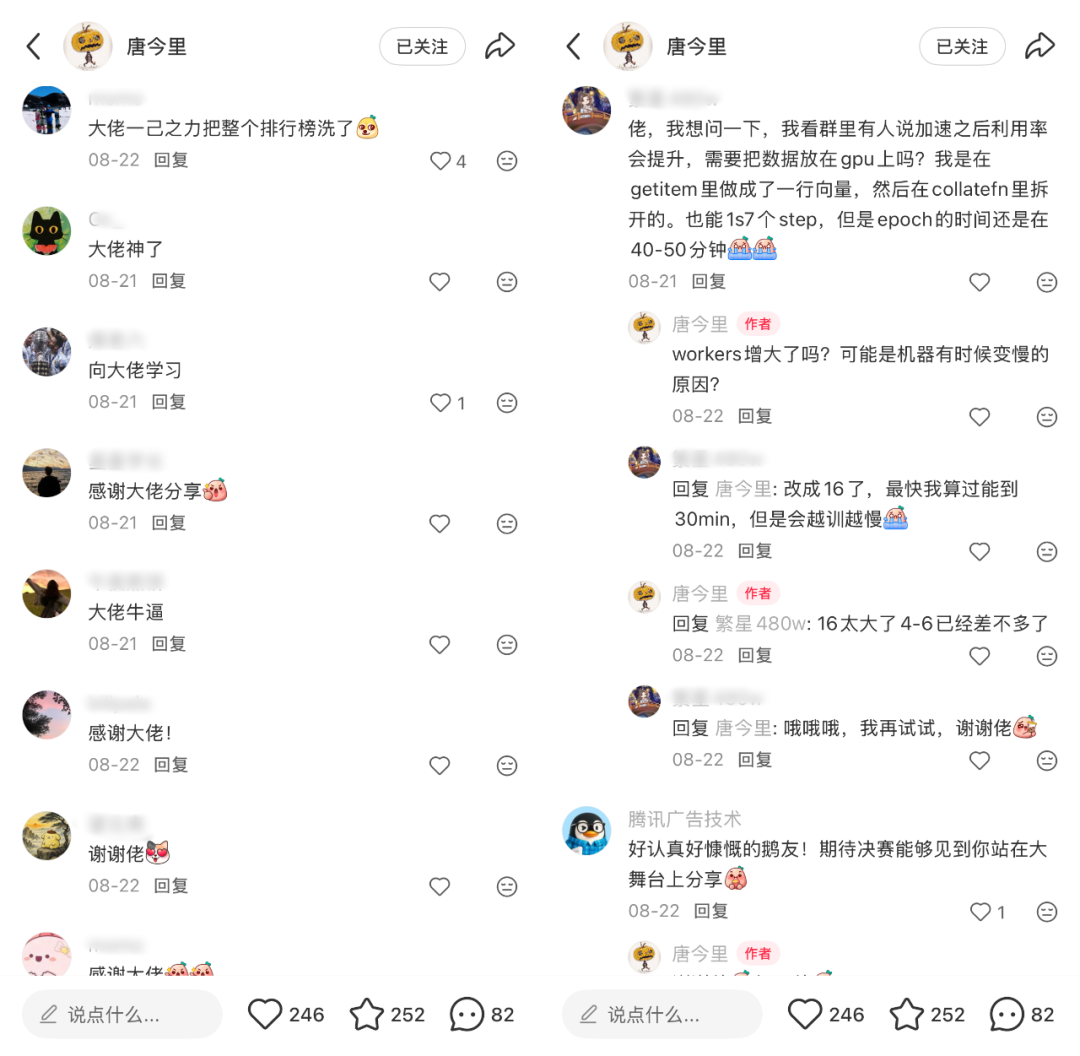
The atmosphere was friendly, collaborative, and highly engaged — from preliminaries to semi-finals, contestants exchanged both successes and failures without reservation.
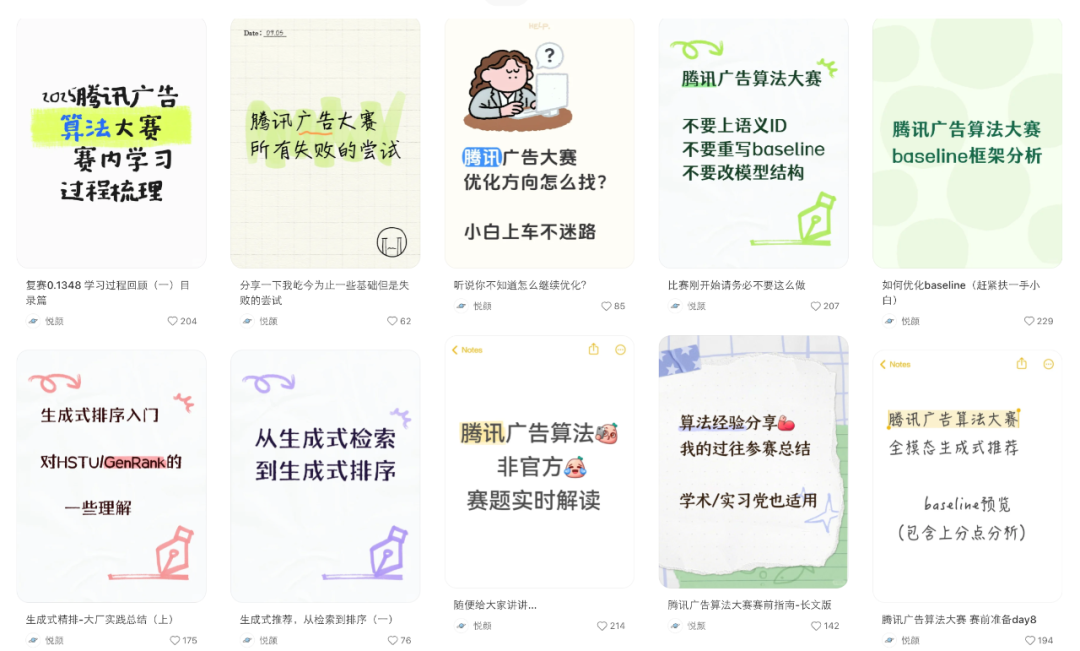
Beginners found direction thanks to expert posts, while seasoned competitors discovered fresh ideas in the comment threads. Rather than a zero-sum battle, it felt like a collective mission to improve.
> It was less about “mutual hostility” and more about getting stronger together.
---
The Competition: Pioneering the Next Paradigm in Recommendation Systems
The challenge focused on advertising algorithms — models that predict which ads a user might be interested in next. The better the predictions, the fewer irrelevant ads users see.
Organizer: Tencent Ads
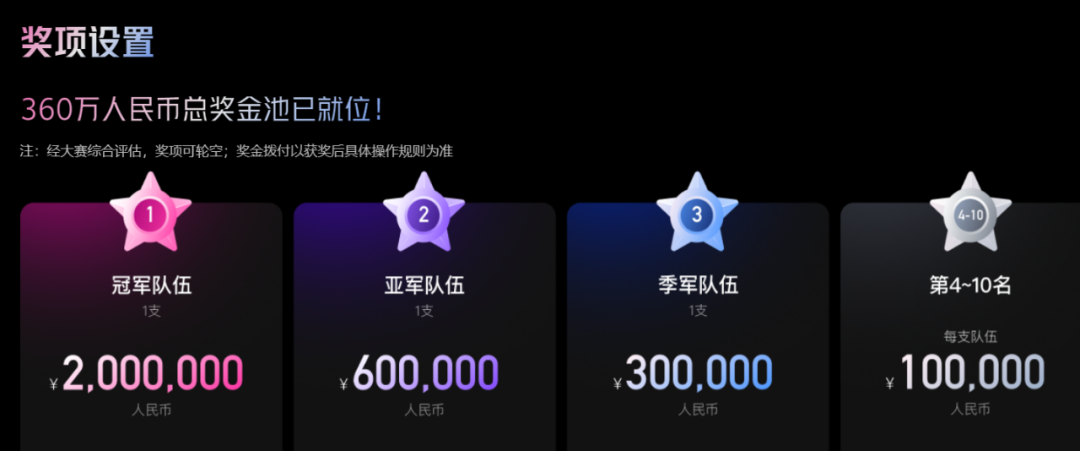
Prize Pool: 3.6 million RMB
Champion’s Award: 2 million RMB
Traditional vs. Generative Approaches
- Traditional (Discriminative):
- Relies on matching patterns from past behavior.
- Struggles with cold start problems (new users or items with no historical data).
- Generative:
- Learns intrinsic features to build a reasoning-driven semantic world.
- Integrates unseen items using descriptions, images, and attributes.
- Makes recommendations without waiting for interaction data.
---
Shift: From “Memorizing Answers” to “Independent Thinking”
Example:
A new running shoe appears on the platform.
- Discriminative: invisible until interaction occurs.
- Generative:
- Parses text, description, features, images.
- Embeds in semantic space.
- Finds similar products and recommends to potential fans.
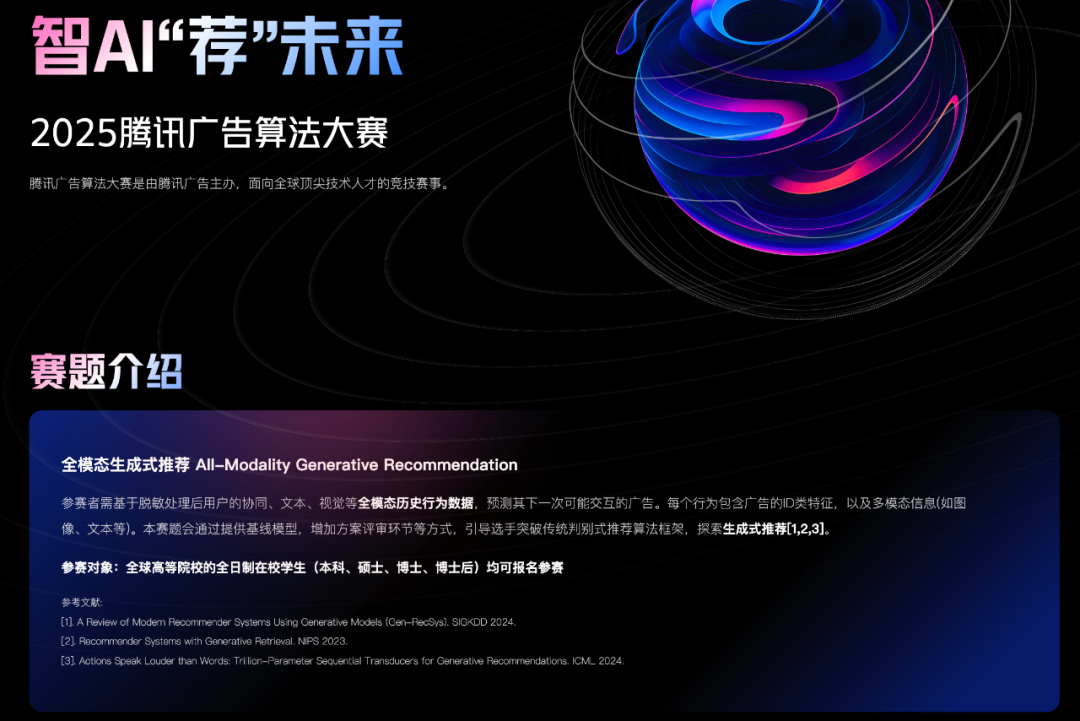
Core challenge of the event: Build full-modal generative recommendation — leveraging multi-modal understanding (text, image, video, etc.) for high-quality suggestions.
---
Real-World Data Complexity
Participants received multi-modal anonymized user histories — including text, image, collaborative signals, and embedding vectors.
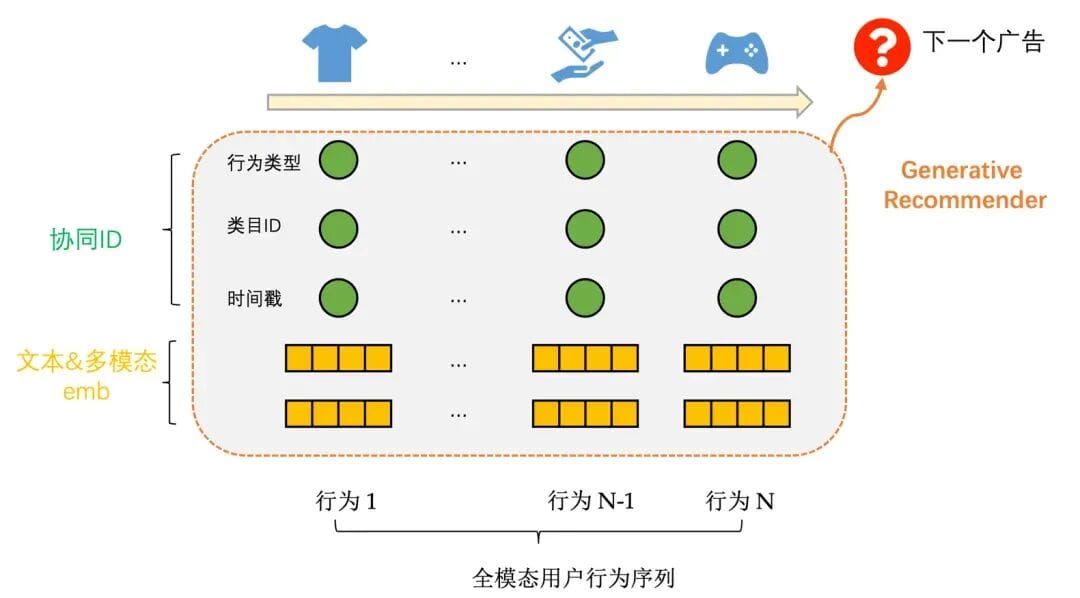
Key difficulties:
- New territory: Generative advertising recommendation is only 2–3 years old — minimal references exist.
- Messy data: Real-world conditions with missing values and noise.
- Modal diversity: Collaboration features, text, image, voice, video all in play.
These constraints made the challenge closely aligned with practical deployment scenarios.
---
Technology & Talent Leap
Duration: June to November
Participants: 8,000+ registrants, 2,800+ teams.
Both Champion and Runner-up teams emphasized:
- Largest dataset they have faced (final stage: tens of millions of samples).
- Required multi-modal fusion + missing-value handling.
- Felt like long-term industry internships.
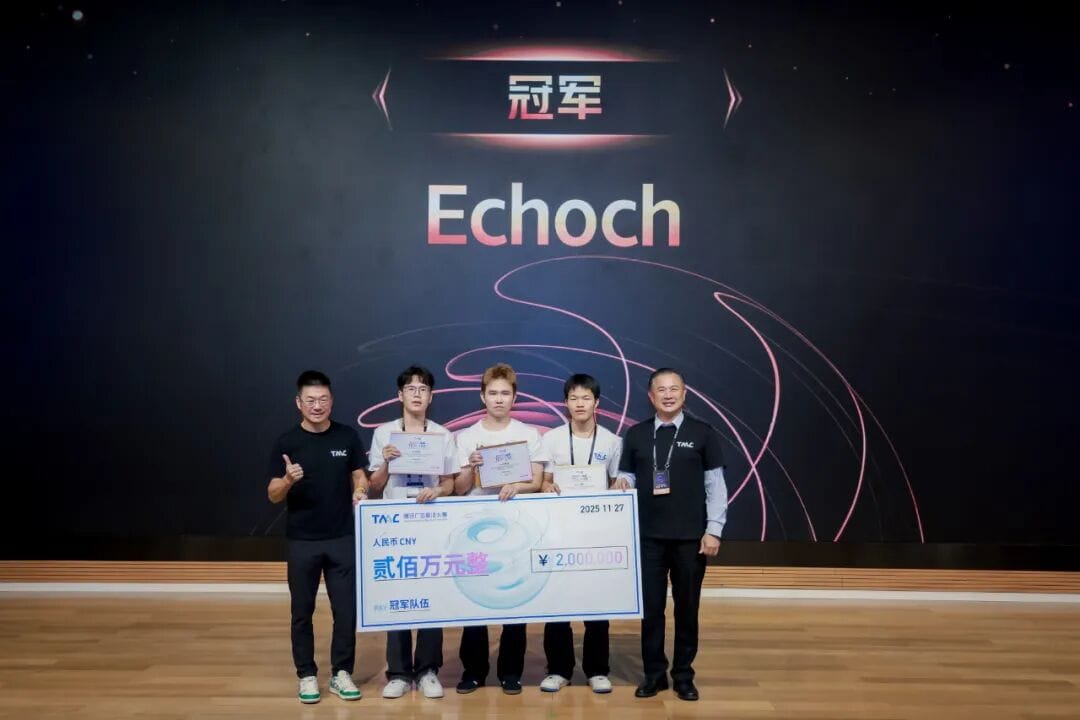
Champion Team Echoch — Huazhong University of Science and Technology, Peking University, University of Science and Technology of China.
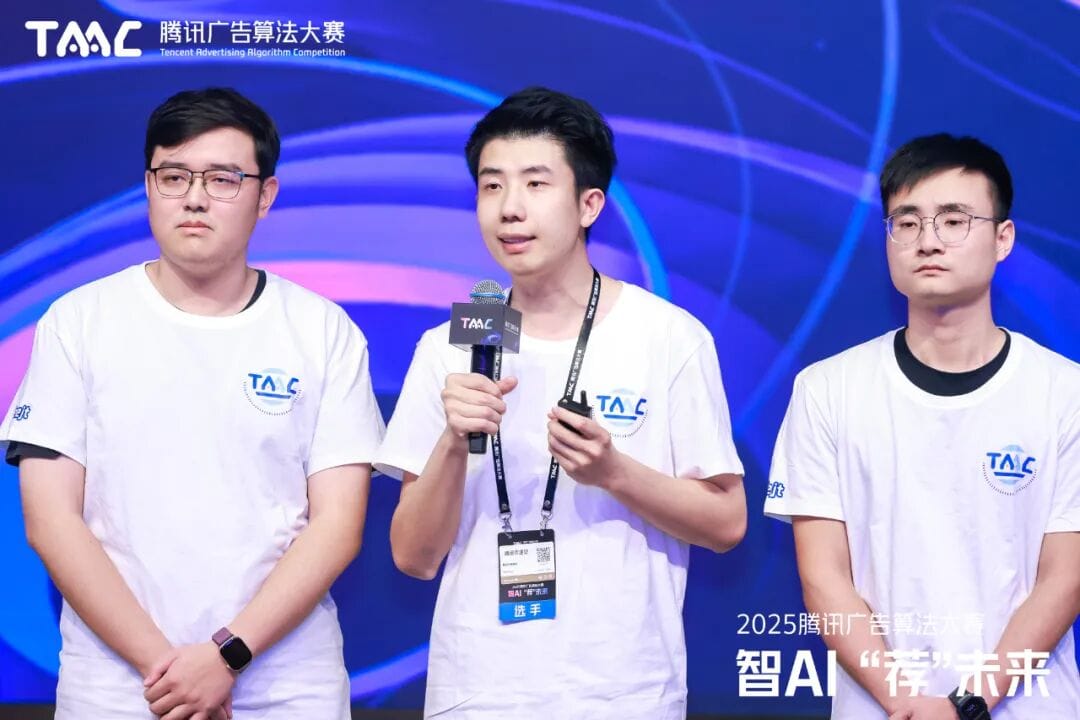
Runner-up Team leejt — Sun Yat-sen University.
Tencent’s Angel Machine Learning Platform supplied ample compute power and scalability testing capability.
---
Industry-Level Performance from Students
Vice President Jiang Jie remarked:
> “Students’ understanding of large models is now very close to industrial-level work — no generational gap.”
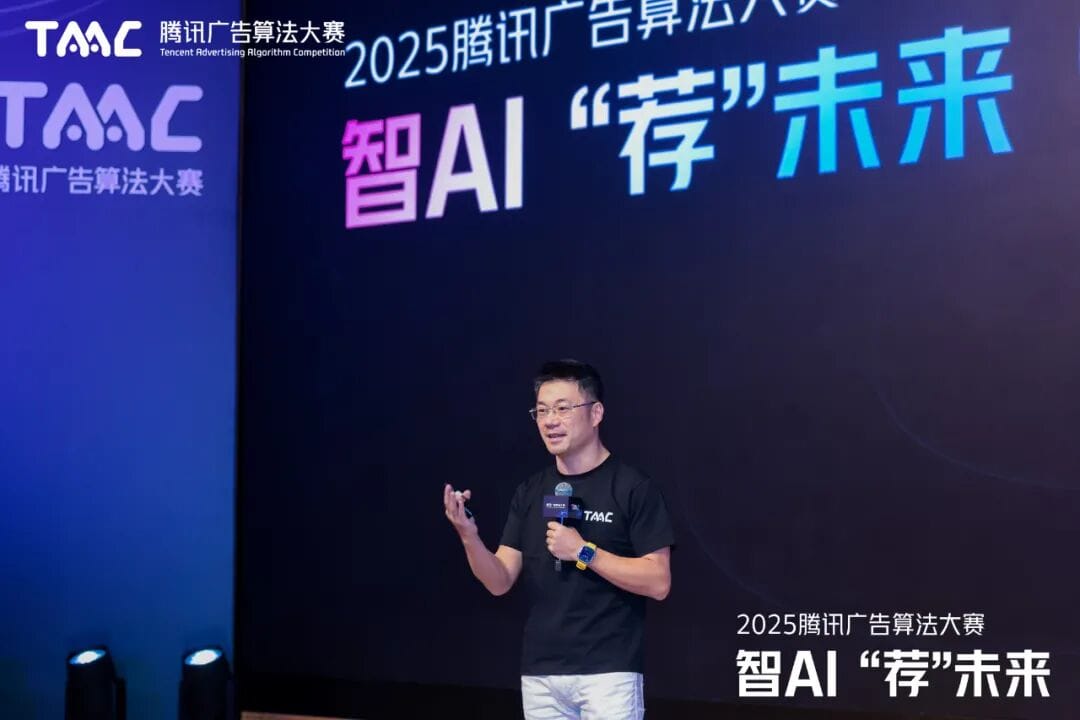
Innovations Observed:
- Bold architectural experiments in generative frameworks.
- Token reorganization to better capture user sequences.
- Cross-modal embedding alignment.
- Spatial alignment for collaborative data.
- Engineering feats: training acceleration, inference speedups, GPU memory compression.
Participants applied techniques from LLMs and general multi-modal AI to advertising recommendations, bridging domains effectively.
---
Culture of Mentorship & Shared Learning
Even non-finalists reported breakthroughs by adopting ideas from public posts shared during the competition.
Case:
Two competitors iterated on a popularity sampling strategy for 1–2 days via private messages, boosting metrics by 0.5–0.6 percentage points — a huge win in such contexts.
This encouraged participants to realize that abilities are not fixed — experimentation leads to growth.
---
Beyond the Finals: The Qingyun Program
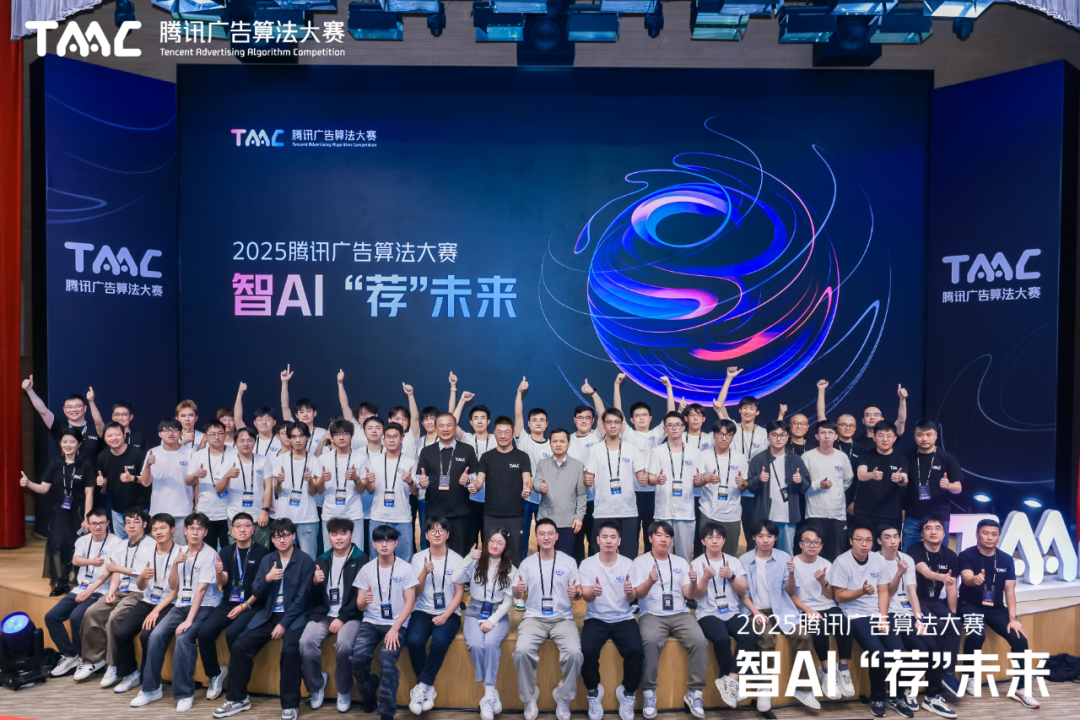
Outstanding competitors will join Tencent’s “Qingyun Program” — gaining:
- Top-level mentors.
- Access to advanced resources and compute platforms.
- Long-term career acceleration in industry-grade AI.
Philosophy:
Matrix-style talent accumulation yields breakthroughs. Depth of expertise is the ultimate driver for innovation.
Jiang Jie stressed:
> “We hope to help young people grow — not by the escalator, but at freight elevator speed.”
---
Broader Ecosystem & Open-Source Synergy
Open-source AI platforms such as AiToEarn官网 reflect similar values:
- AI content generation across major platforms (Douyin, Kwai, WeChat, Bilibili, Xiaohongshu, Facebook, Instagram, LinkedIn, Threads, YouTube, Pinterest, X/Twitter).
- Cross-platform publishing and monetization tools.
- Analytics with AI模型排名 to track performance.
For algorithm competition participants, these are practical channels to apply and monetize AI creativity beyond contests.
---
Optimism for China’s AI Future
This competition demonstrated:
- The technical capability of emerging talent.
- The commitment of domestic tech firms to nurture innovation.
- The value of open-source and collaborative culture.
Combined, these factors paint a promising picture for the next stage of AI development in China — where students, professionals, and platforms collectively push boundaries.