Two Top Stanford PhDs Join Forces in Embodied AI Entrepreneurship
Sunday: A Mysterious New Player in Embodied AI
Stanford’s leading embodied AI researchers — Tony Zhao and Cheng Chi — have co-founded a robotics startup named Sunday.
The company has only recently stepped into the spotlight, revealing that its first product will launch on November 19.
---
Big Promises and Big Endorsements
The teaser campaign has drawn high-profile attention, including public praise from Andrej Karpathy.
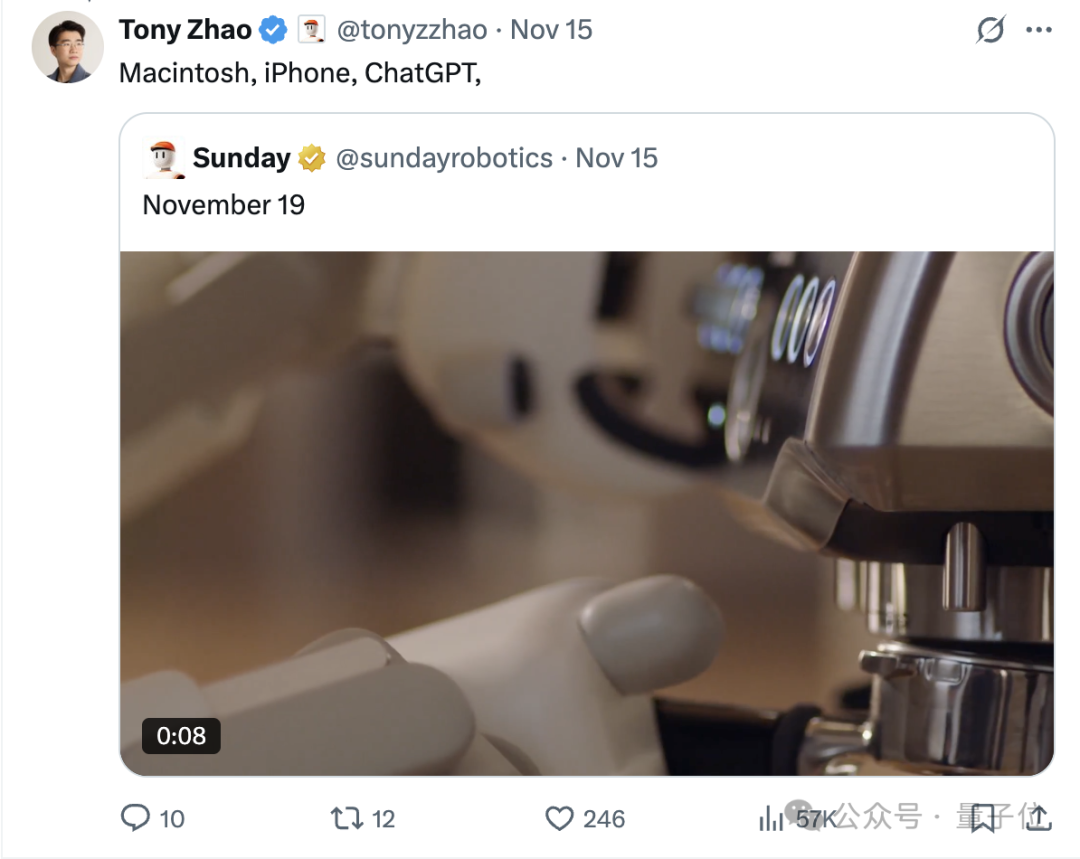
Sunday claims its product will be a breakthrough on par with the Macintosh, iPhone, and ChatGPT.
They even state that the robot already achieves cat-level intelligence — something that might delight AI pioneer Yann LeCun.
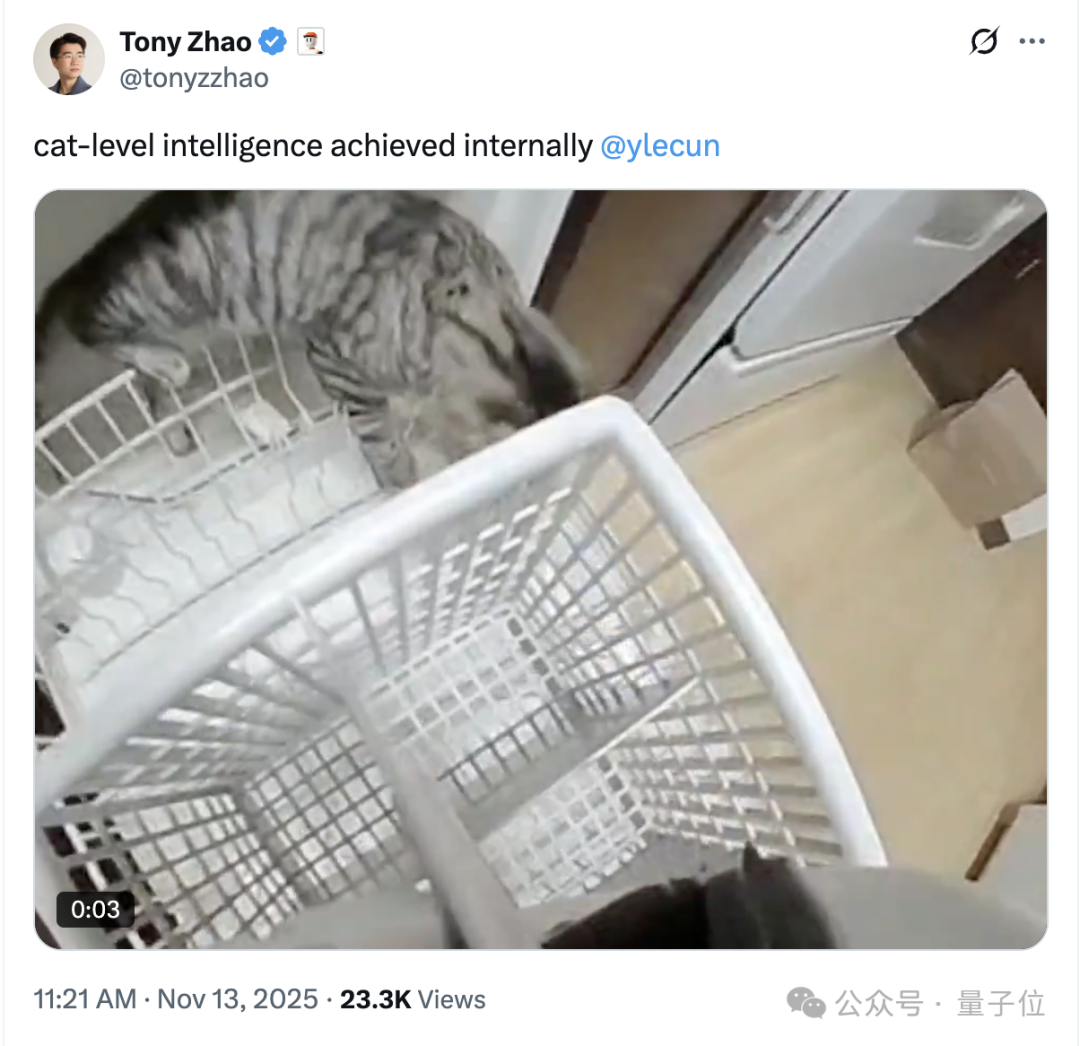
Many online voices describe Zhao and Chi as the most influential figures in embodied intelligence, and reports suggest venture capital interest began over 18 months ago.

Right now, the single best word for Sunday is: mystery.
Their official X (Twitter) contains only two short demo videos, and their webpage is simply: Coming soon.
---
First Glimpse: The Demo Videos
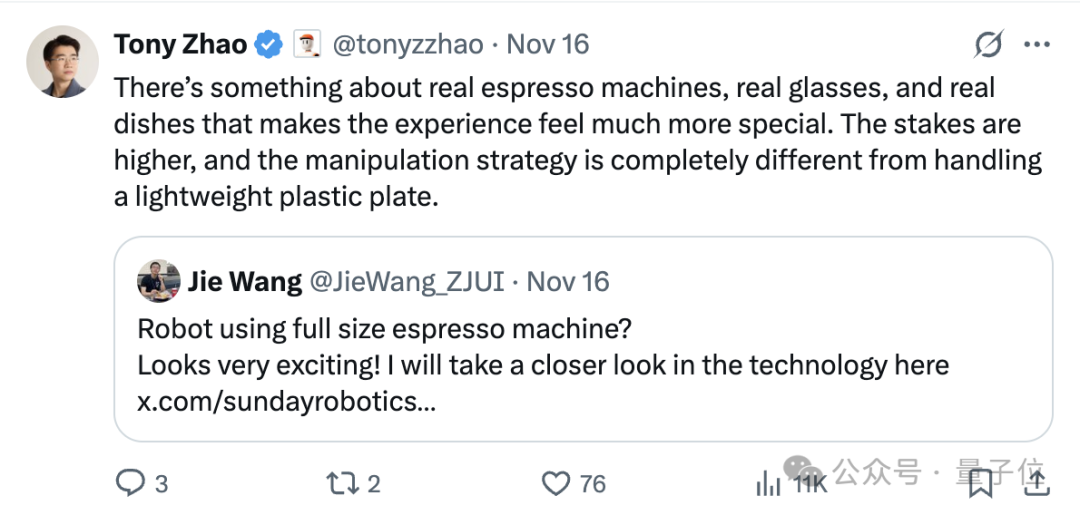
Demo 1: Espresso Machine Operation
- Length: 10 seconds
- Action: Robot positions the portafilter under the group, locks it in place, and turns it smoothly in one motion.
- Operating a real espresso machine is far more challenging than manipulating lightweight dishes, according to Zhao — hinting at the task’s complexity.
Demo 2: Picking From a Box
- Some online comments noted slow speed.
- Within the limited camera view, the end effector appears unique.
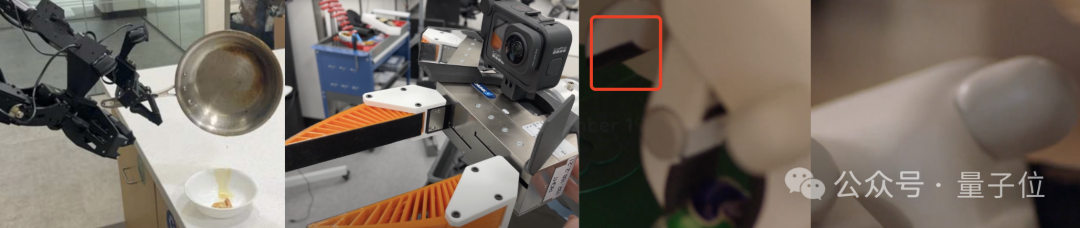
Given their earlier ALOHA low-cost hardware research, speculation is mounting over a new end effector design.
---
Clues and Possible Leaks
Despite the secrecy, Zhao has dropped hints:
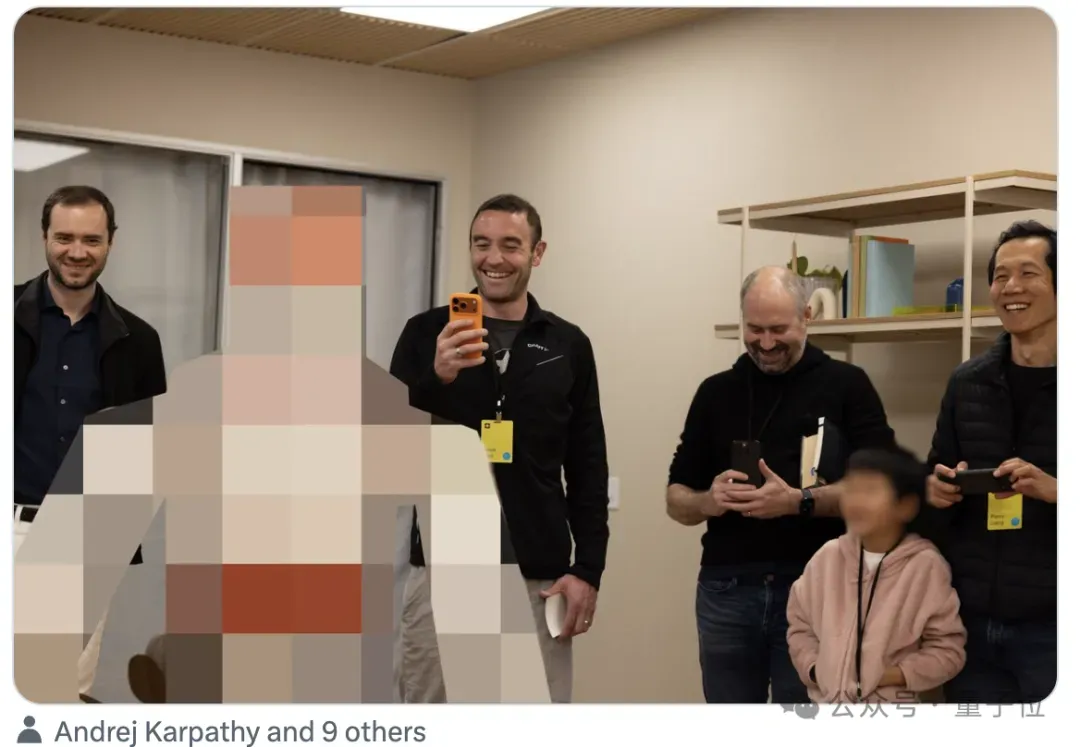
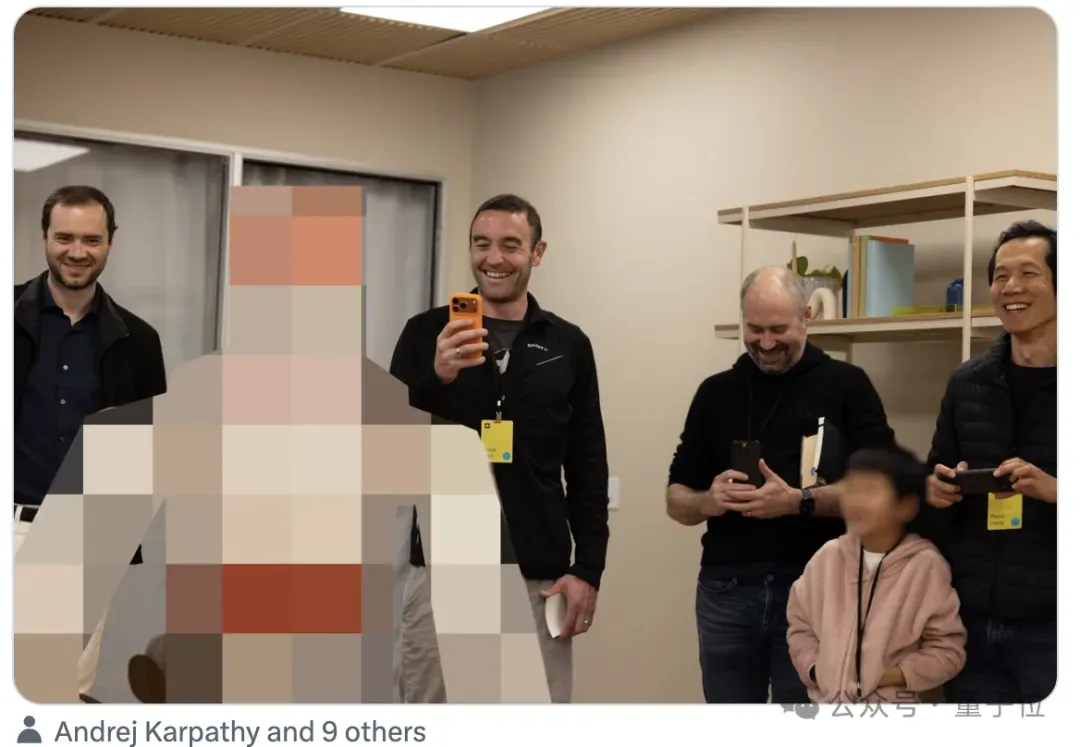
- A pixelated large object in a group photo with Karpathy and other leaders may be the upcoming humanoid hardware.
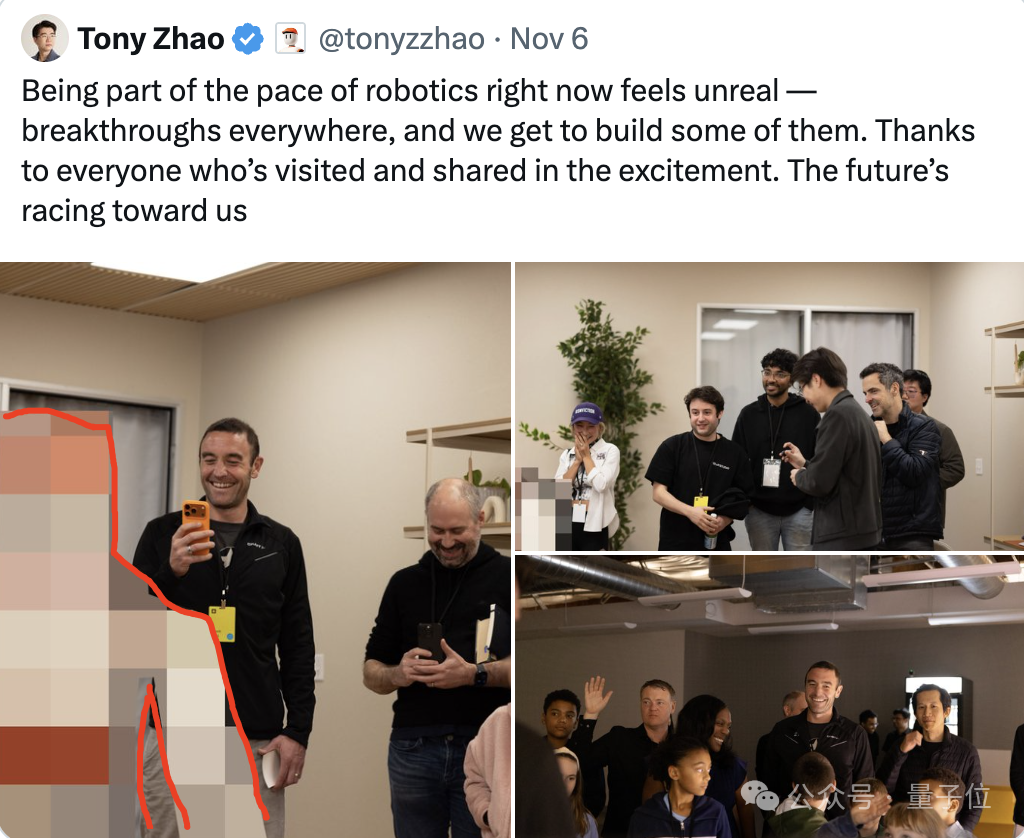
Event (Nov 6): Karpathy, Kevin Weil (OpenAI), David Singleton (Stripe), Percy Liang (Stanford), Dylan Field (Figma), Hugo Barra (Oculus/Android), and Sarah Guo (Conviction) visited Sunday’s office.
- Zhao confirmed: the robot has arms.
- Goal: Balance cuteness with practicality. Current design features a white face and red cap, evoking a gardener or postman vibe.
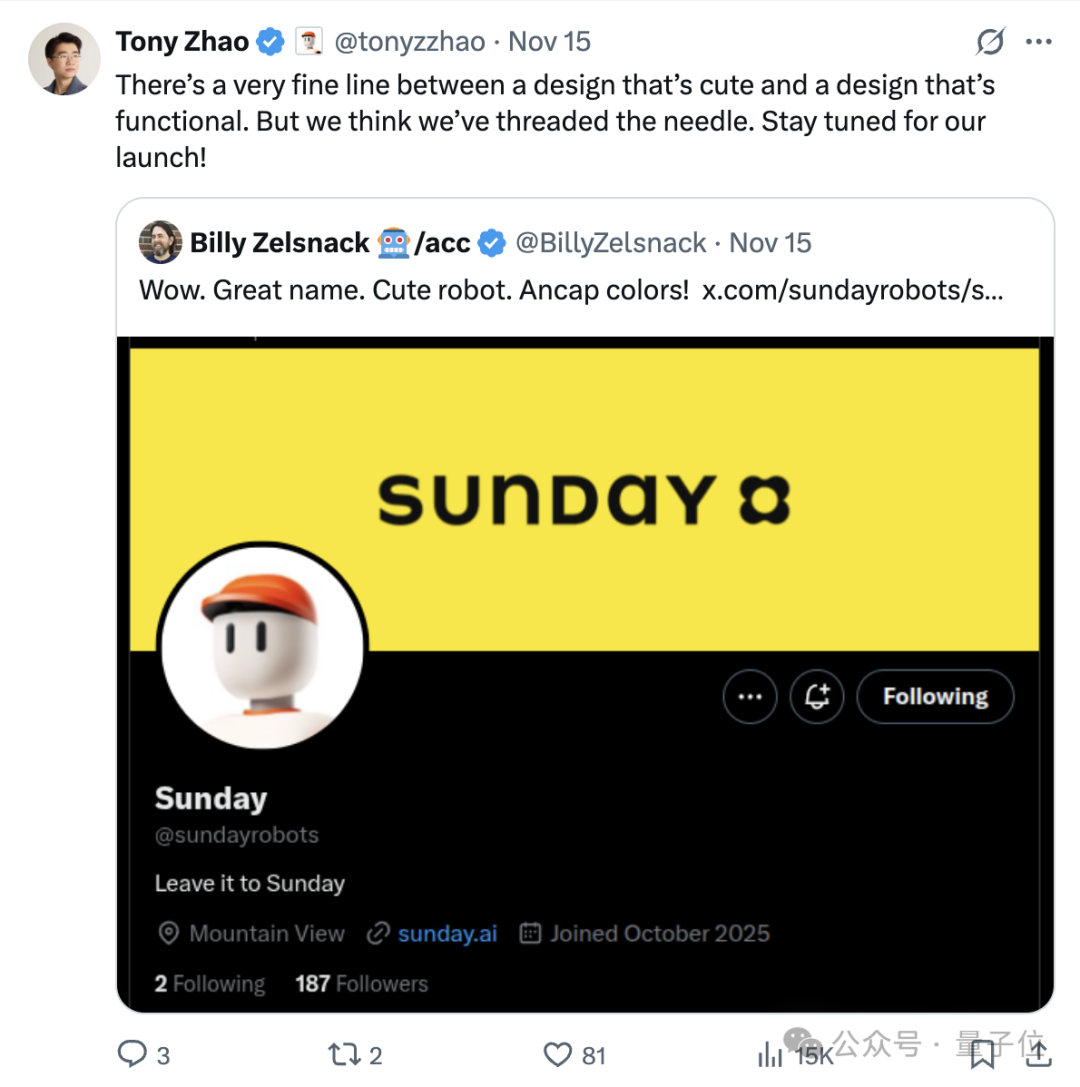
---
Technology Philosophy
Cheng Chi explained the espresso demo’s complexity:
> Sub-millimeter precision surpasses actuator limits; torque is so high that thermal management is necessary. Controlling the entire stack — from hardware to AI — is the only way forward.
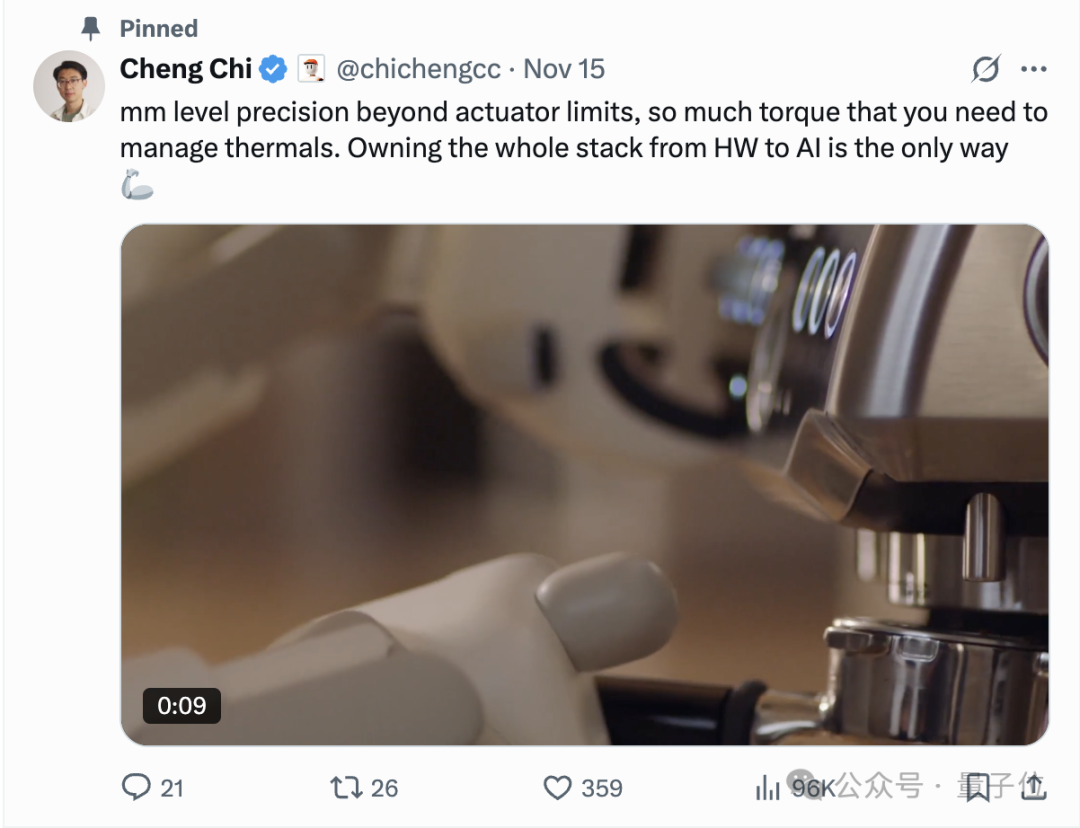
This full-stack approach is rare in Silicon Valley, where companies usually focus on hardware or software — not both.
---
Why They Can Own the Stack
Tony Zhao
- Former DeepMind, Tesla, Google X.
- Lead author: ALOHA, ACT, Mobile ALOHA.
- Contributor: Open X-Embodiment, SRT (Surgical Robot Transformer).
- Mentored by Sergey Levine and Chelsea Finn, both co-founders of Physical Intelligence.
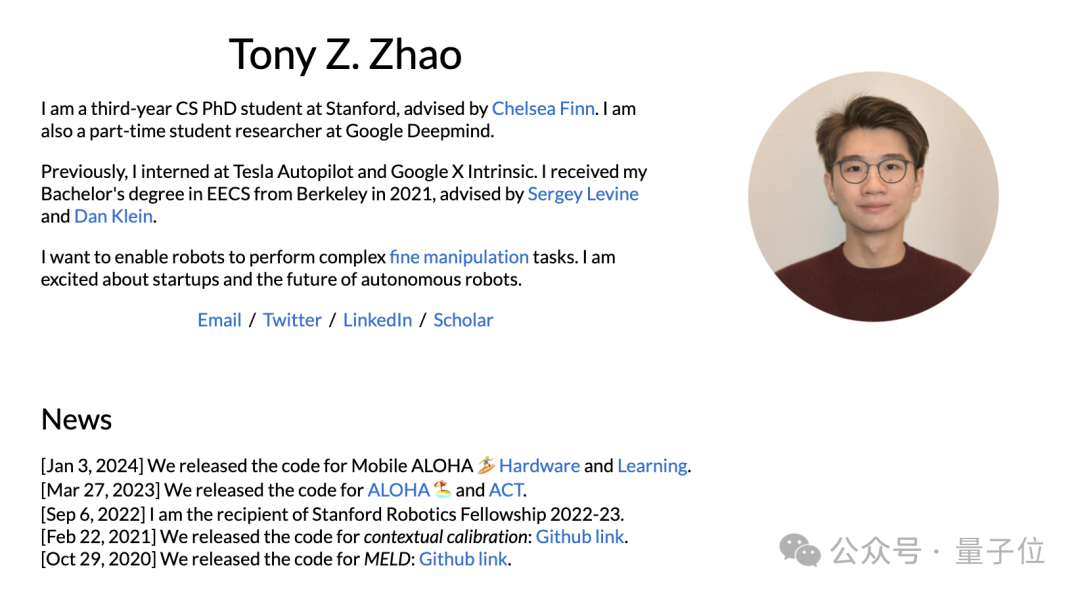
Zhao rose to fame with the “Stanford shrimp-cooking robot” — Mobile ALOHA — a domestic service robot, hinting Sunday may continue in home automation.
---
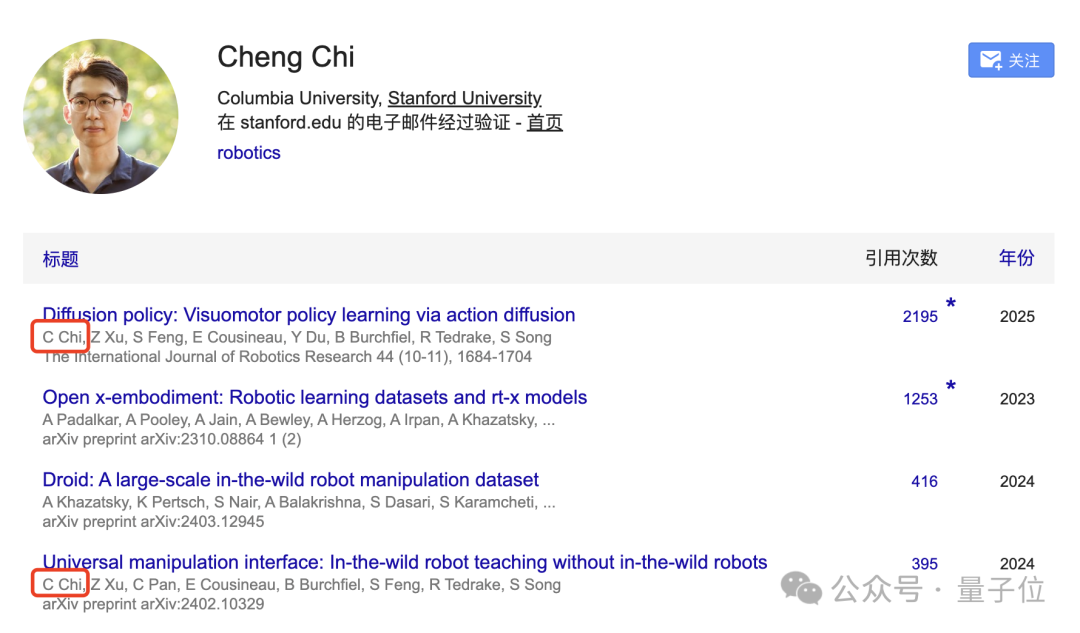
Cheng Chi
- Studied at Stanford under Shuran Song.
- First author: UMI (Universal Manipulation Interface), Diffusion Policy.
- Contributor: Open X-Embodiment, Droid datasets.
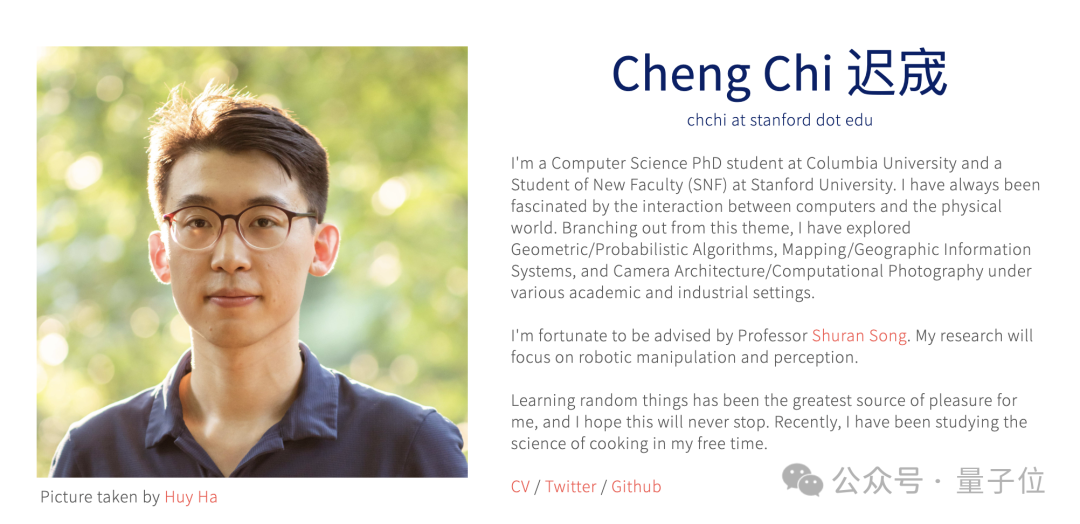
---
Together, they control the chain from hardware, data, and AI algorithms — backed by a deep Stanford network and industry allies like Karpathy.
---
Funding and VC Support
- Prepared for 18 months before public reveal.
- First investment term sheet came from Sarah Guo and Pranav Reddy at Conviction.
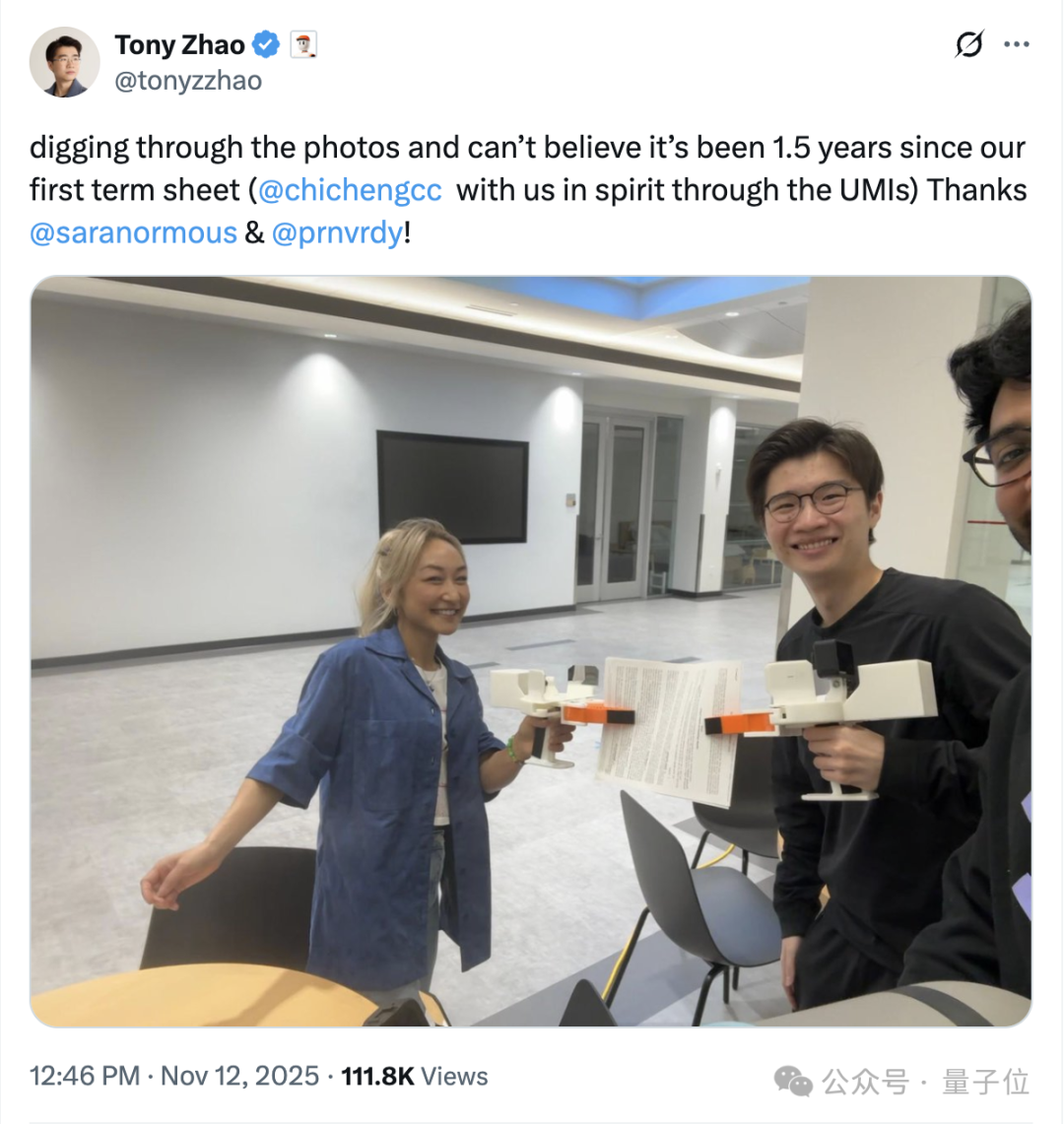
Given their track record, capital has never been a hurdle.
---
Views on Embodied AI and Global Competition
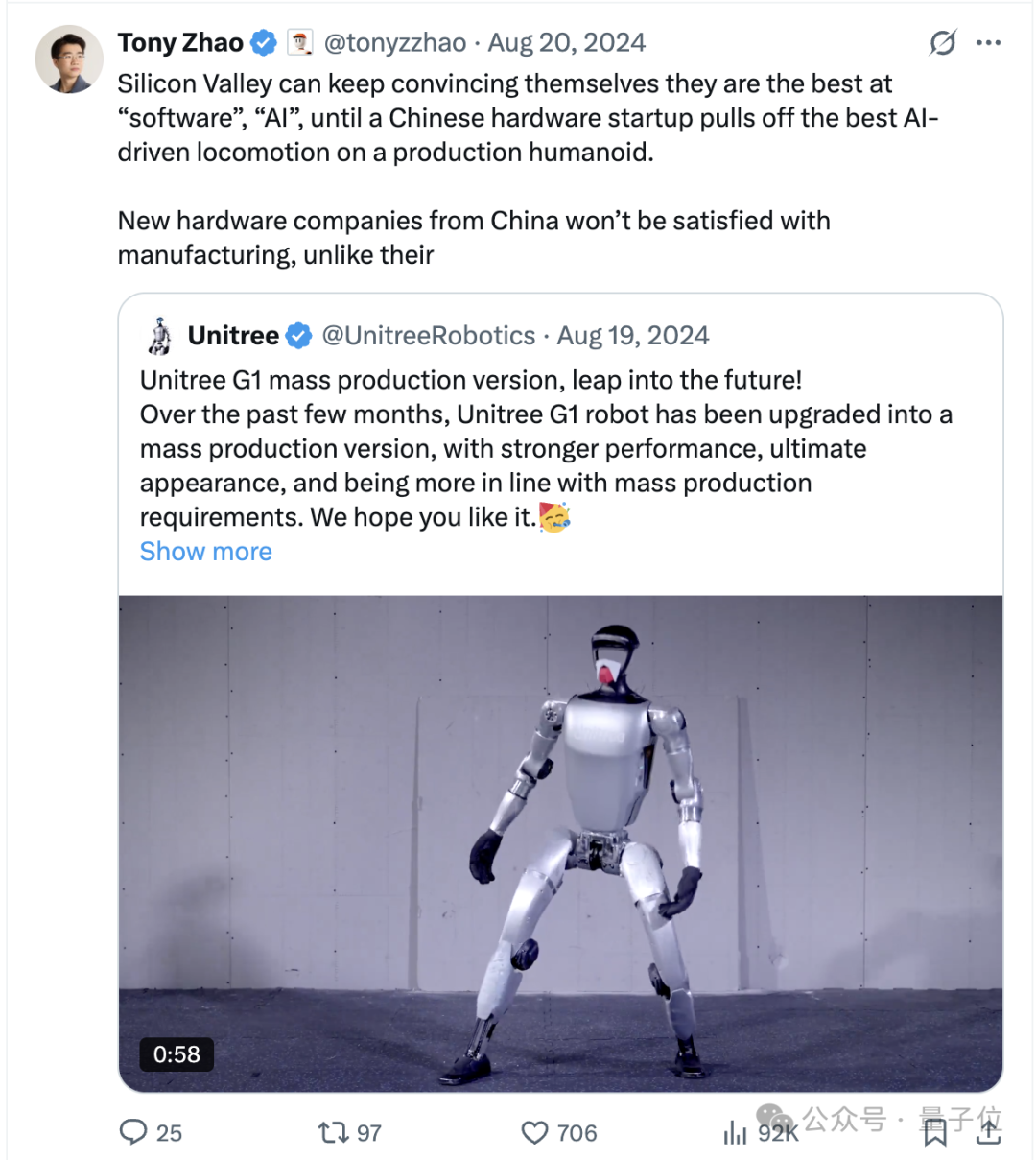
Zhao believes startups can beat inertia with agility, focus, and speed.
In August last year, he warned that emerging Chinese hardware companies could mass-produce humanoid robots — taking a vertically integrated approach just like Apple or Tesla in their respective industries.
---
Parallels in the AI Industry
Beyond robotics, AI startups likewise seek end-to-end integration — from creation to publishing and monetization.
Platforms like AiToEarn官网 provide open-source full-stack tools for:
- AI content generation
- Cross-platform publishing (Douyin, Bilibili, YouTube, X/Twitter)
- Analytics and AI model rankings (AI模型排名)
This mirrors Sunday’s vision — owning the whole stack to deliver quality, capability, and elegance.
---
Final Countdown
The November 19 launch will determine whether Sunday lives up to the hype.
Until then, Sunday remains a well-backed mystery with world-class tech talent.
---
Reference Links
Several provided links lead to X (Twitter), LinkedIn, and personal sites but lack direct content.
If you supply the actual text, I can format and maintain all Markdown headings, links, and brand accuracy — integrating AiToEarn context seamlessly where relevant.