Vanka Clusters to the Sky? China’s Hardcore Firms Build Space Supercomputers
The Space Computing Arms Race
The computing “arms race” has left the confines of Earth and entered orbit.
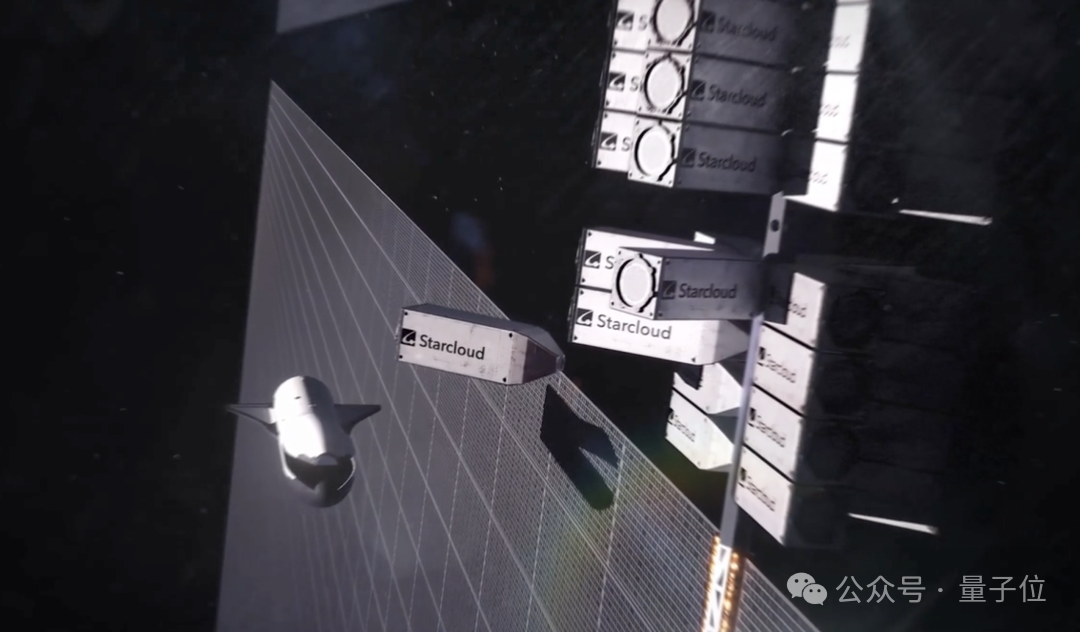
Just days ago, the Starcloud‑1 satellite, equipped with NVIDIA H100 GPUs, successfully entered orbit aboard SpaceX’s Falcon 9 rocket — a milestone toward building a space supercomputer.
Google followed swiftly with Project Suncatcher, a plan to deploy satellites containing TPU clusters.
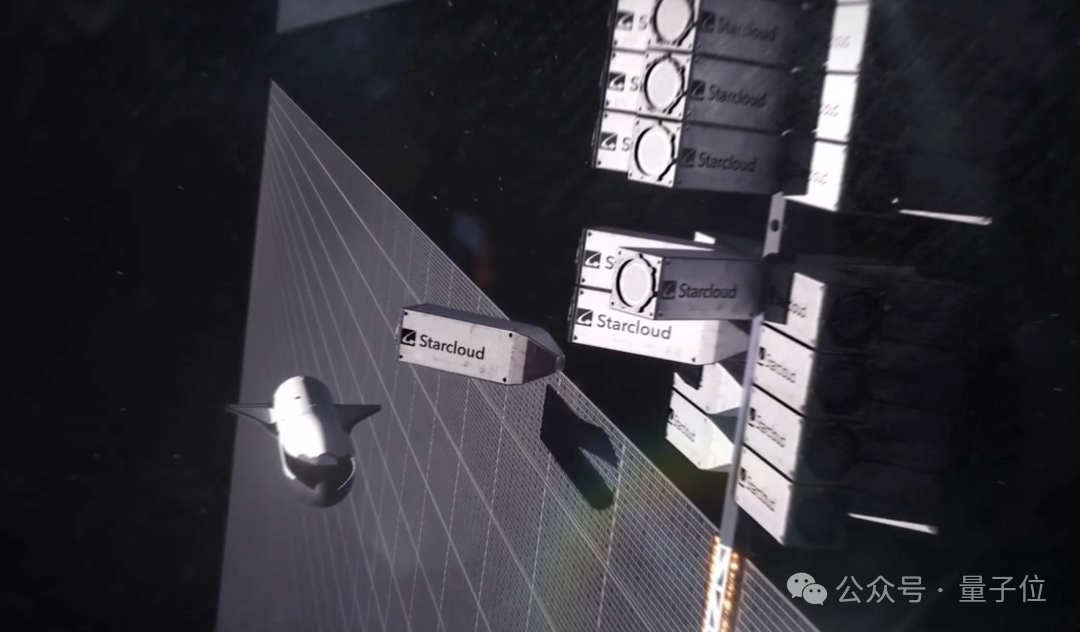
> The concept of a “space supercomputer” has shifted from science fiction to engineering reality — infrastructure is moving from Earth’s surface into orbit.
---
China’s Role in Spaceborne Intelligent Computing
China has been quietly building capabilities in this domain since 2019, led by major research institutions:
- Institute of Computing Technology, CAS
- Early work on space-based computing foundations.
- Developed Aurora POPS-class satellite intelligent computing payloads, space large models, and intelligent agents — now in application.
- Wuhan University
- Led the Dongfang Huiyan intelligent remote-sensing constellation.
- Integrated optical + radar + hyperspectral observation systems.
- Achieved breakthroughs in on-orbit intelligent processing and efficient image compression.
- Beijing University of Posts and Telecommunications
- Created the Tiansuan Constellation.
- Verified satellite-ground IP networking and inter-satellite laser communication via missions “BUPT‑1” and “BUPT‑2/3.”
- Zhijiang Laboratory
- Launched computing satellites for the Three‑Body Constellation to begin network verification of a space computing system.
---
Zhongke Tiansuan: From Research to Commercial Space Computing
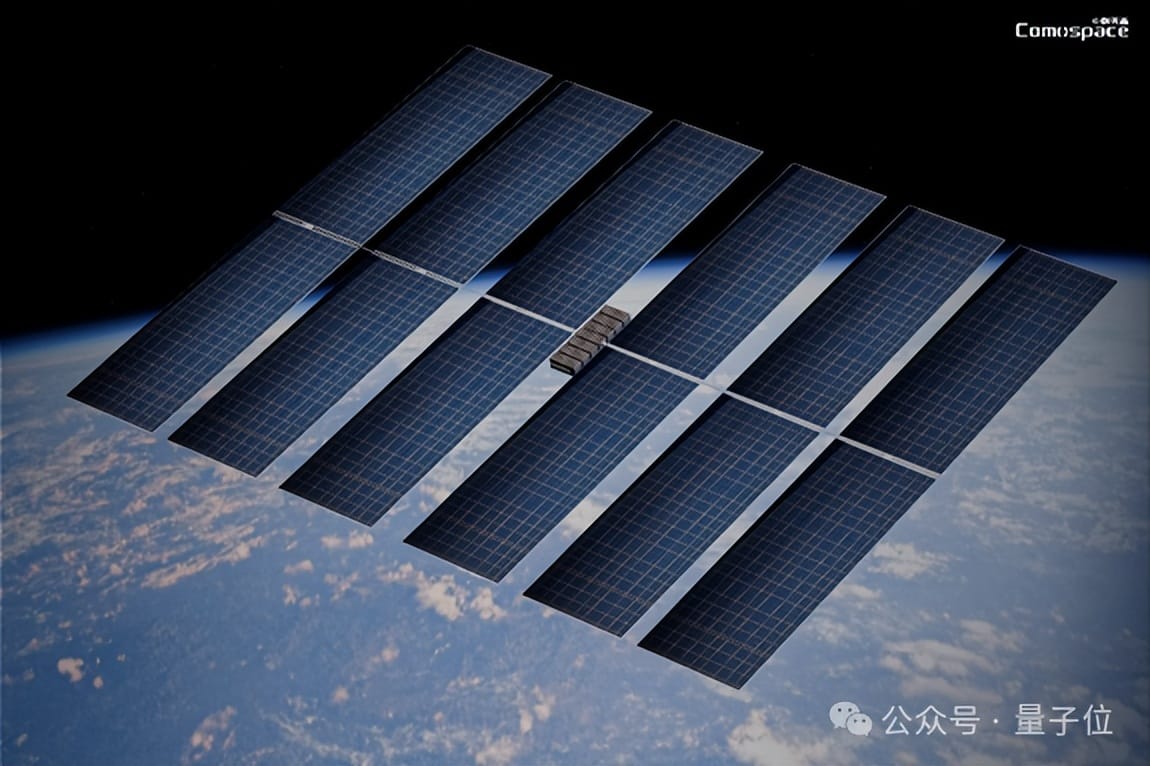
Zhongke Tiansuan is among China’s earliest teams engaged in “space-based computing,” comprising members from CAS’s Institute of Computing Technology, aerospace divisions, and Zhijiang Laboratory.
Achievements Since 2019:
- High-performance on‑board computing
- In‑orbit collaborative computing
- Space-based large model deployment
- In 2024: Full in-orbit deployment of large models, forming a space intelligence chain from perception to decision.
Core Goal:
To overcome “supercomputing to space” and “AI for Space” technical barriers, building integrated hardware/software ecosystems.
---
The “Tiansuan Project”: Building a Space Supercomputer
Zhongke Tiansuan’s Tiansuan Project aims to create a true space supercomputer in low Earth orbit — a “second brain” for humanity, resilient to vacuum and radiation extremes.
Why In-Orbit Computing?
- The “sense in space, compute on Earth” model is hitting physical limitations.
- Current satellites act mainly as sensors/routers; the “brain” remains Earth-bound.
- Space network infrastructure is only at its “2G” era — capable of calls and messaging, but insufficient for a space economy.
- In-orbit computing could trigger a “Space Internet 4G era”, enabling:
- Direct perception → understanding → decision loops
- Real-time services unaffected by terrestrial latency/bandwidth limits
Example:
Deep-sea fishing could leverage hyperspectral monitoring, navigation satellites, and orbital AI models to provide real-time fishing prompts directly to crews.
---
Evolution Path: Data → Network → Intelligence
Zhongke Tiansuan envisions:
- Space Data Collection
- Space Internet Networking
- Intelligent Space Decision-Making
The Tiansuan Project was born from this roadmap.
---
AiToEarn: Leveraging AI in the Space Computing Era
As space computing matures, platforms like AiToEarn官网 demonstrate how creators can:
- Generate AI-powered content
- Publish across Douyin, Kwai, WeChat, Bilibili, Rednote, Facebook, Instagram, LinkedIn, Threads, YouTube, Pinterest, and X
- Use analytics and model ranking (AI模型排名) for creative monetization
---
Tiansuan Project Architecture
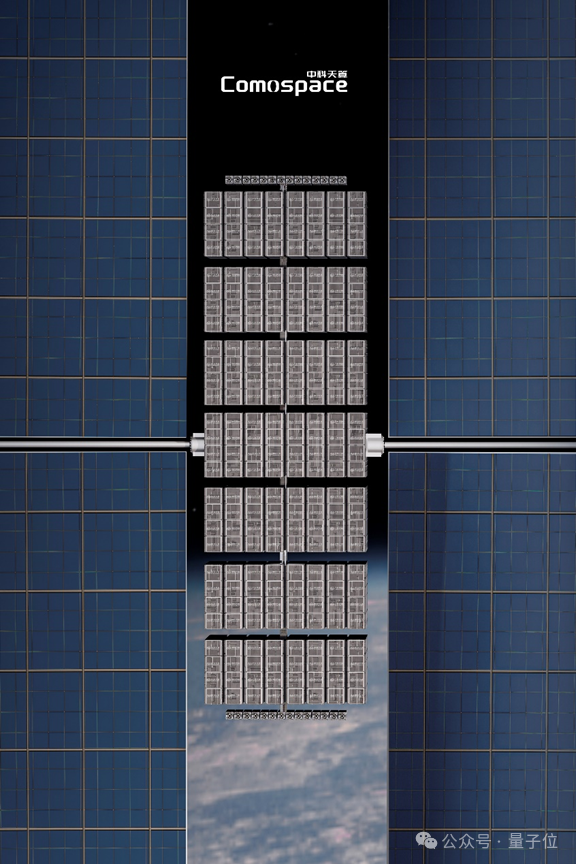
Target: Deploy 10,000 cards in orbit, reaching 10 EOPS compute.
Three core modules:
- Energy Module (100 MW-class)
- Flexible photovoltaic arrays
- Modular energy storage
- Exploits space’s continuous sunlight
- Communication Module (10 Tbps-class)
- Multi-beam, hundred-gigabit laser links
- Flexible interconnection between space/ground/air nodes
- Computing Module (10 EOPS-class)
- Tens of thousands of advanced computing cards
- Overcomes terrestrial energy/heat limits
Design Paradigm: Natural radiation cooling + unlimited green energy + global compute sharing.
---
Technical Barriers
Operating at 500 km above Earth requires solutions for:
- Radiation Effects
- Hard damage: Total dose, latch-up
- Soft errors: Single event upsets
- Thermal Management in Vacuum
- No convection; reliance on conduction/radiation
- High-density chips risk rapid overheating
---
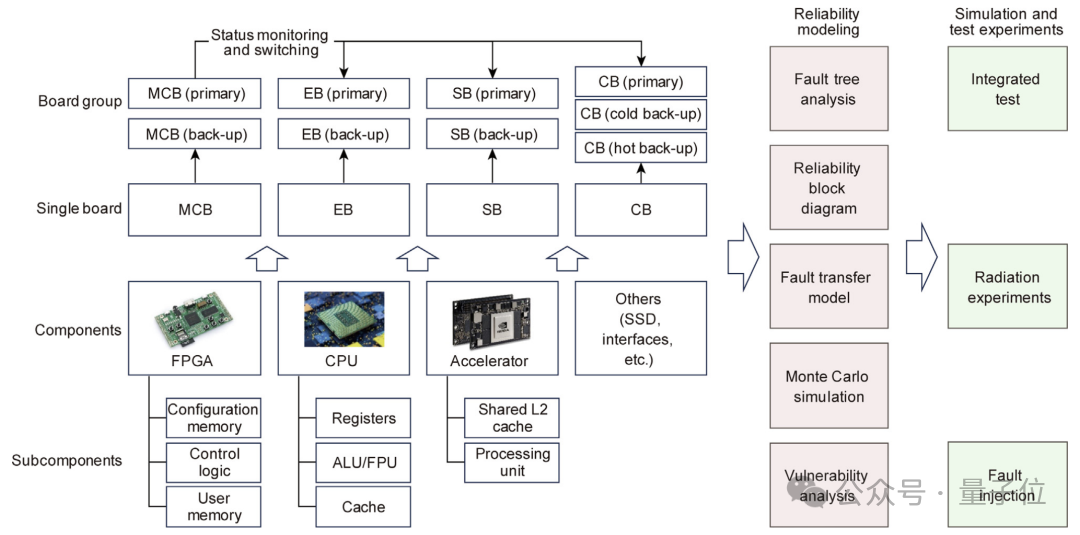
Radiation Protection Strategy
Traditional aerospace chips are durable but outdated.
Zhongke Tiansuan uses commercial advanced-process chips with:
- Hardware-software fault tolerance via multi-mode redundancy.
- Chips cross-validate tasks in real time.
- Faster R&D cycles — terrestrial chip upgrades integrated into orbit within ~18 months.
---
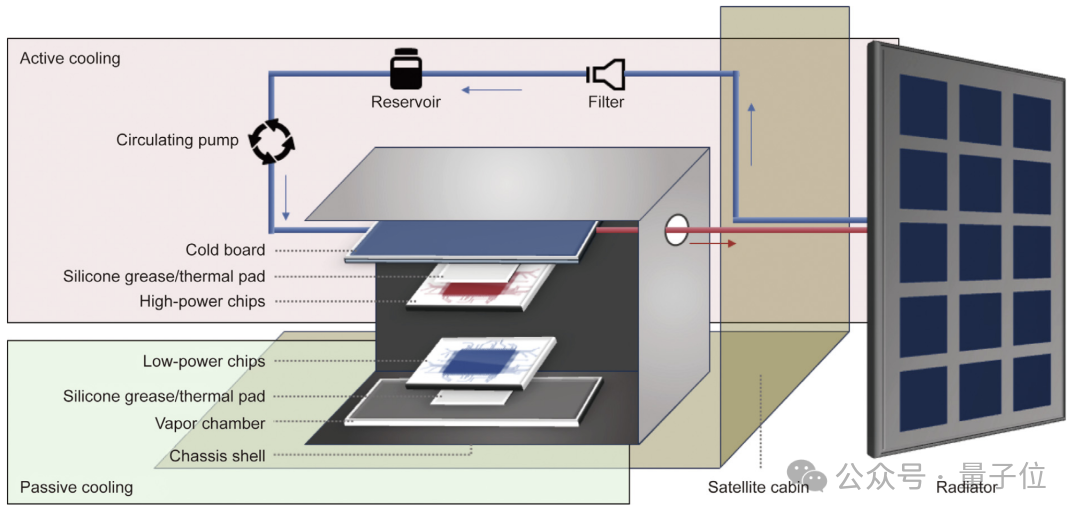
Vacuum Thermal Management Strategy
Space lacks convection, leaving inefficient conduction/radiation.
Solution: Hybrid Active-Passive Cooling
- Active: Fluid loops remove heat from high-power chips
- Passive: Structural conduction + radiation cooling
- Overcame coolant phase-change issues in microgravity/extreme temperatures
---
Strategic Significance
Space supercomputing offers:
- Global coverage for vehicles, drones, remote infrastructure
- Critical backup during disasters affecting ground facilities
- A digital bridge for Moon and Mars missions
- Lays foundation for human digital civilization expansion
---
Future Outlook
From AI chip prototypes in orbit to full GPU clusters, each step erodes the limitations of terrestrial computing.
Space computing and terrestrial AI platforms like AiToEarn share a vision:
- Distributed, scalable computation
- Integrated creation and distribution
- Global monetization opportunities
Learn more:
- Blog: AiToEarn博客
- Open source: AiToEarn开源地址
---
— End —