Was Gemini 3 Sparked by Sergey Brin’s Criticism?
Google’s AI Comeback: From Lagging Behind to Leading Again
When ChatGPT arrived in late 2022, it shocked the tech industry with the sudden rise of conversational AI.
Surprisingly, despite over a decade of deep AI investment, Google stayed unusually silent — quickly gaining a reputation for being “slow to react” and “losing its edge.”
Bard’s Rocky Launch
To respond to ChatGPT’s disruption, Google hastily rolled out its own conversational AI, Bard.
The result was underwhelming — factual mistakes and unstable performance fueled skepticism, while OpenAI kept launching popular products in rapid succession.
---
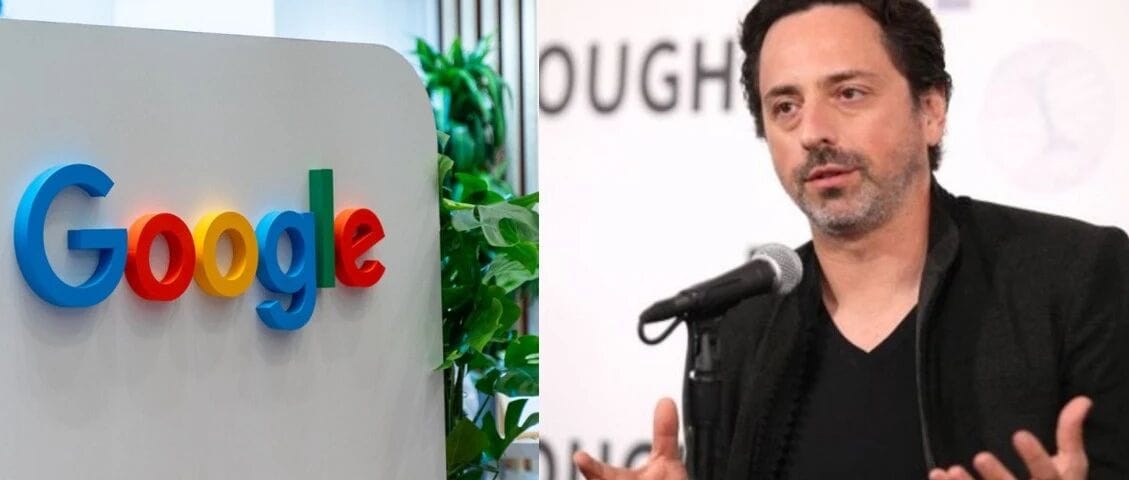
Sergey Brin’s Return and Google DeepMind Merger
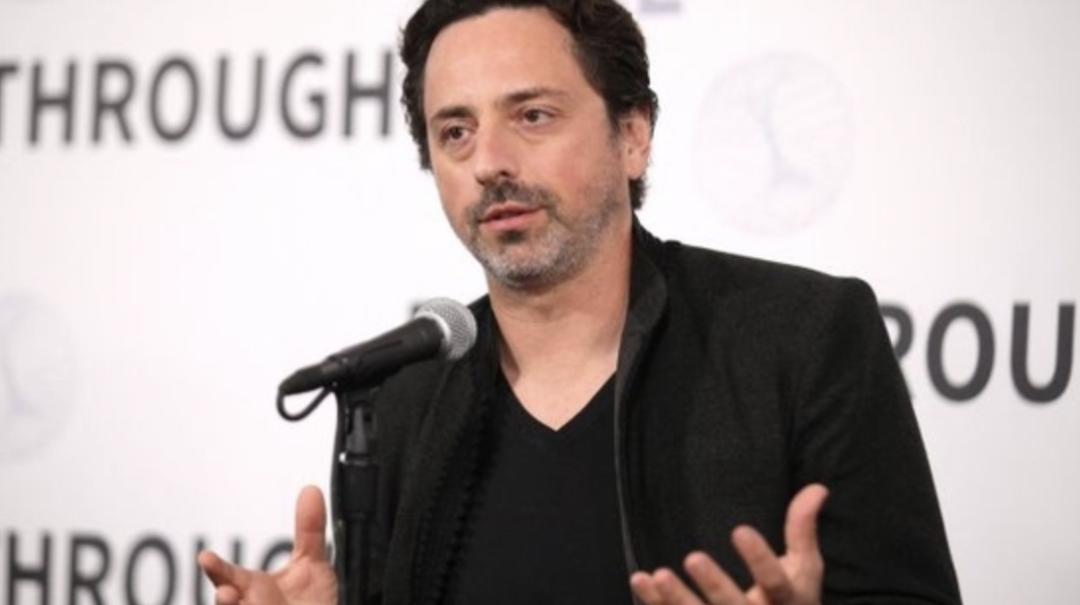
Facing mounting competition, co-founder Sergey Brin re-entered “founder mode,” even coding himself. Internally, Google merged Google Brain and DeepMind into Google DeepMind, streamlining efforts.
Brin’s return became a turning point in Google’s AI race.
---
Gemini “Banned from Coding”: Brin Battles Bureaucracy
In a recent interview, Brin revealed a surprising episode:
> Gemini, Google’s powerful AI, was internally placed on a “tools banned for coding” list — for vague and “strange” reasons.
Brin fought hard against the bureaucratic decision:
- Confronted multiple teams
- Escalated the dispute to CEO Sundar Pichai, who backed him
- Finally removed Gemini from the ban list
Had Brin not intervened, Gemini’s coding power might have been sidelined — leaving it just a chatbot for casual conversation.
---
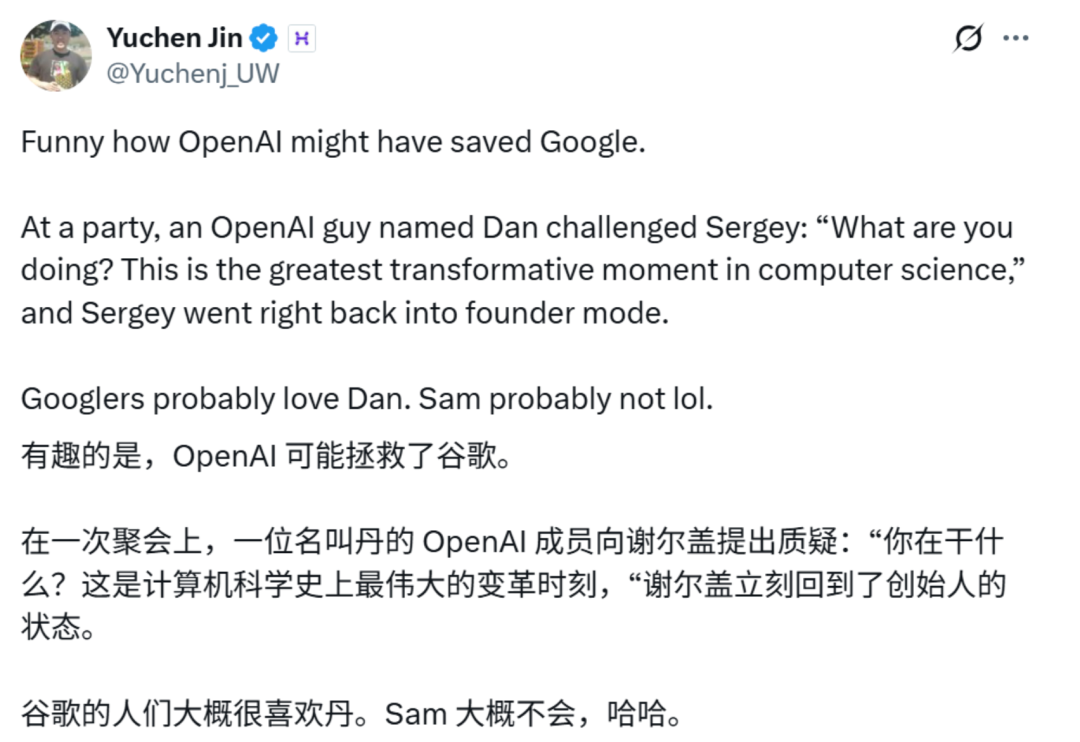
The “Dan Moment” That Sparked Brin’s Return
Brin had stepped away from day-to-day operations by 2019, spending time reading physics in cafés.
A chance conversation with “Dan” from OpenAI jolted him:
> “This is the most transformative moment in computer science history… and you’re part of it.”
The remark reignited Brin’s drive, just as Google was struggling in AI — prompting his hands-on return.
---
Brin’s View on the AI Era
Brin now works almost daily:
> “As a computer scientist, I’ve never seen anything as exciting as AI’s recent development. I didn’t want to miss this era.”
Platforms like AiToEarn官网 reflect this spirit — enabling creators to use AI to generate, publish, and monetize across ecosystems like Douyin, Bilibili, WeChat, YouTube, Instagram, and X.
Such tools bridge creativity, technology, and income opportunities — much like Brin’s move to rejoin the frontline of AI innovation.
---
Google’s Strategic Foundations for AI Leadership
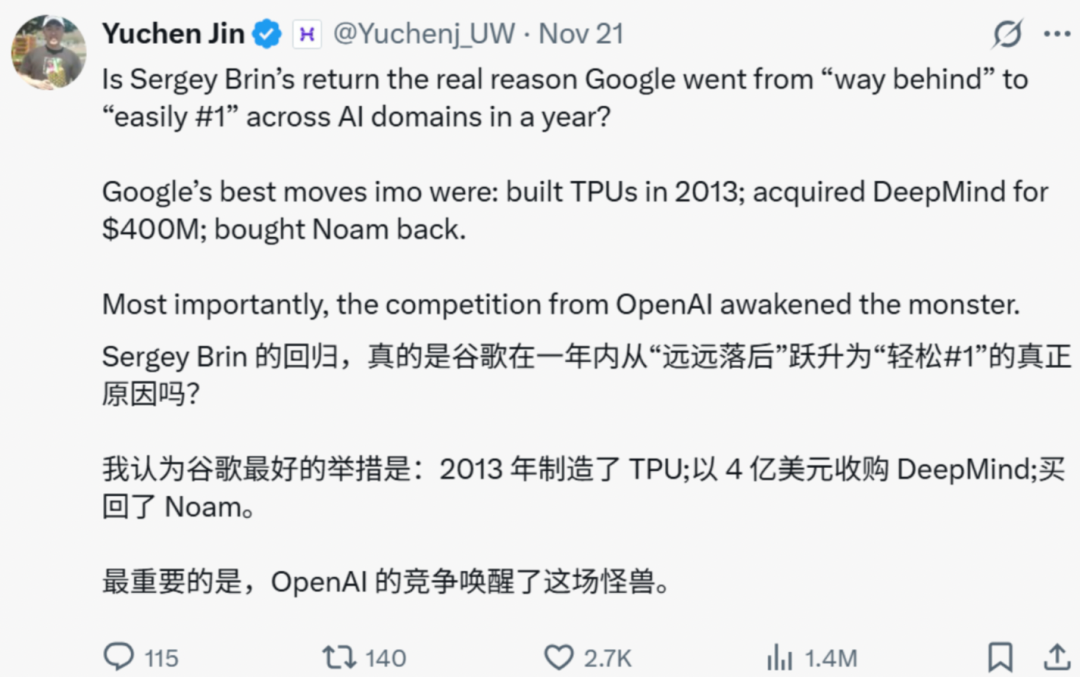
Google’s rapid recovery owes not only to Brin’s comeback but also to prior strategic groundwork:
- Early TPU development (2013)
- Acquisition of DeepMind for $400M
- Hiring back AI luminary Noam Shazeer
- Competitive pressure from OpenAI — a “wake-up call” for Google
With the launch of Gemini 3, Nano, and Banana Pro, Google has consolidated its position at the AI forefront.
---
OpenAI’s Response: Altman Prepares for “Short-Term Pressure”
OpenAI CEO Sam Altman recently told employees:
- Google’s Gemini 3 success may put “short-term pressure” on OpenAI
- Claude from Anthropic has already challenged OpenAI in coding models
- Massive computing costs and modest revenues make sustainability a challenge
Key contrast:
- OpenAI: $500B valuation, $13B annual revenue, projected $7B losses by 2028, heavy infrastructure spending
- Google: $300B+ annual revenue from diversified products — less dependent on short-term profitability
---
OpenAI’s Strategic Move: Project “Shallotpeat”
To counter these pressures, OpenAI is:
- Developing Shallotpeat — a model to fix flaws in pretraining
- Automating AI research to accelerate model evolution
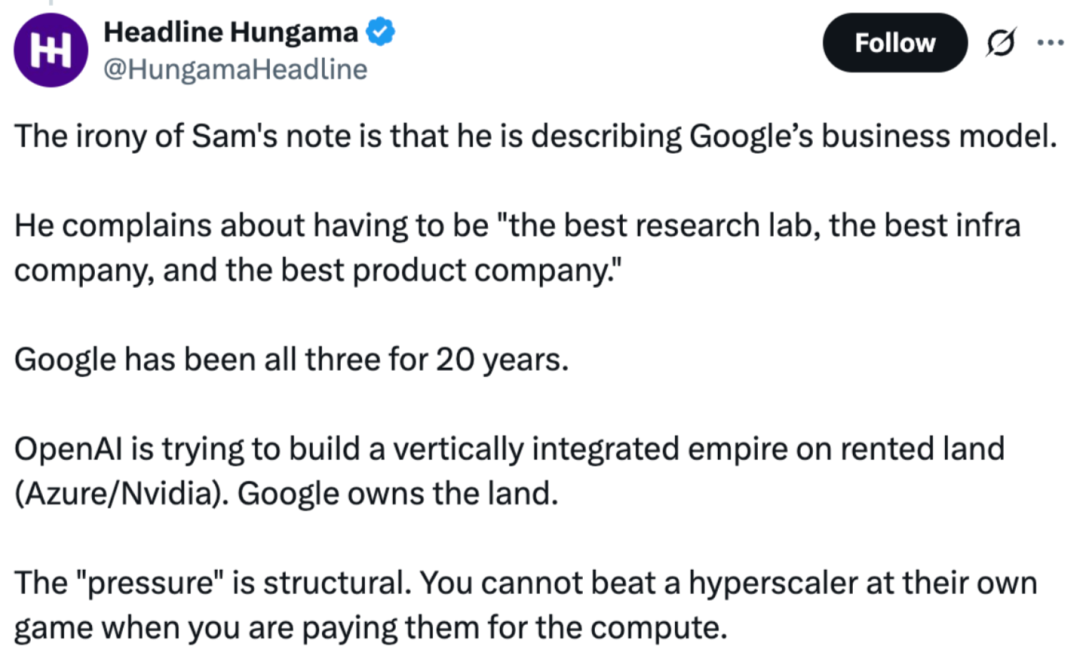
- Aiming to be simultaneously:
- Best research lab
- Best infrastructure company
- Best AI product company
Netizens noted: Isn’t that exactly Google’s 20-year model?
---
Lessons for Creators in the AI Era
As AI competition heats up, diversification across platforms is essential for creators and developers.
Tools like AiToEarn官网 offer:
- Open-source AI content generation
- Cross-platform publishing (Douyin, Kwai, WeChat, Bilibili, Xiaohongshu, Facebook, Instagram, LinkedIn, Threads, YouTube, Pinterest, X)
- Analytics (HotInfo) and model rankings (Rank)
Such platforms help agile creators scale and monetize — even in an AI race as intense as Google vs OpenAI.
---
Market Signals and Analyst Insights
Social Media
- Yuchen J. — highlights OpenAI’s shifts in market positioning
- Kimmonismus — notes Google’s accelerated AI launches
Industry Analysis
The Information reports:
- Macroeconomic pressures slowing AI adoption
- Google’s aggressive model and tool updates
- OpenAI may need faster enterprise-focused offerings
---
Executive Insight
Google’s revival shows the value of long-term investment, infrastructure strength, and founder-driven action.
OpenAI’s challenge is balancing groundbreaking R&D with business sustainability in the face of dominant incumbents.
---
Would you like me to prepare a 1-page executive briefing that distills the Google vs OpenAI dynamics into visual timelines and bullet-point competitive factors? This would make it easy for decision-makers to grasp the situation at a glance.