Will the Wave of Robot Company IPOs Produce the Next Tesla?
Embodied Intelligence: China’s New National Strategy in 2025
Source | Phoenix Finance (finance_ifeng)
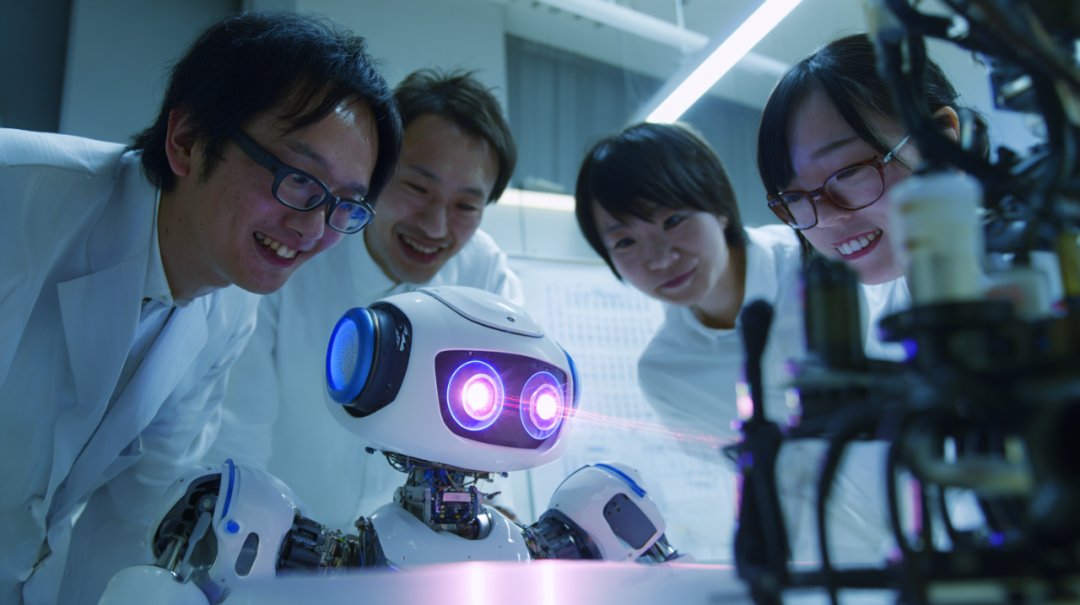
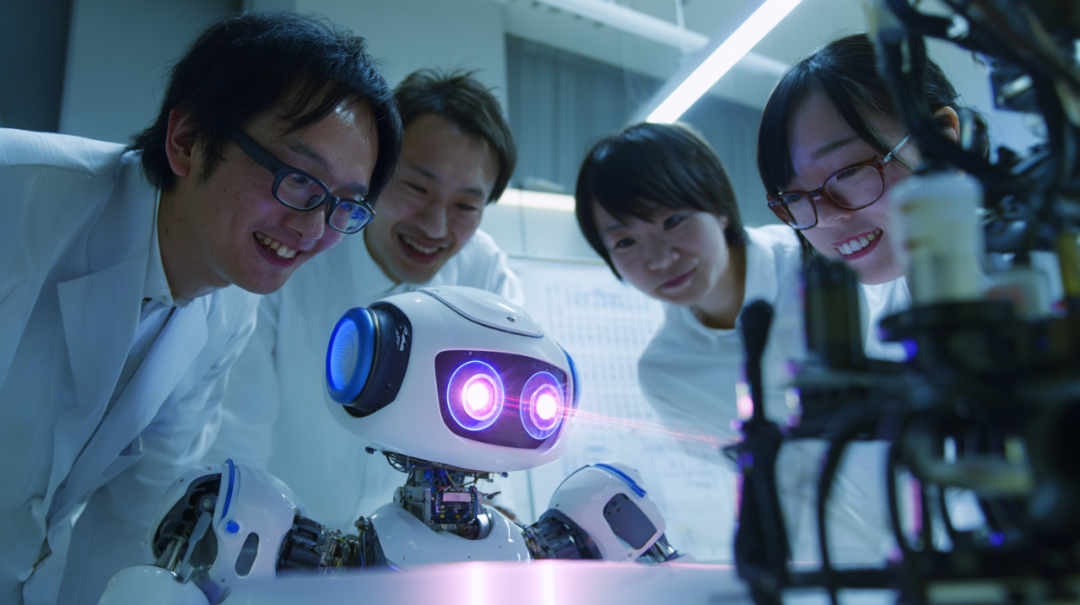
Image source | Midjourney
From Iron Man–style test flights, to robots picking tea leaves, to elderly care robots assisting mobility, sci-fi is fast becoming reality. In China’s 2025 Government Work Report, “embodied intelligence” is named as a national strategy for the first time — hitting fast‑forward on a technological revolution.
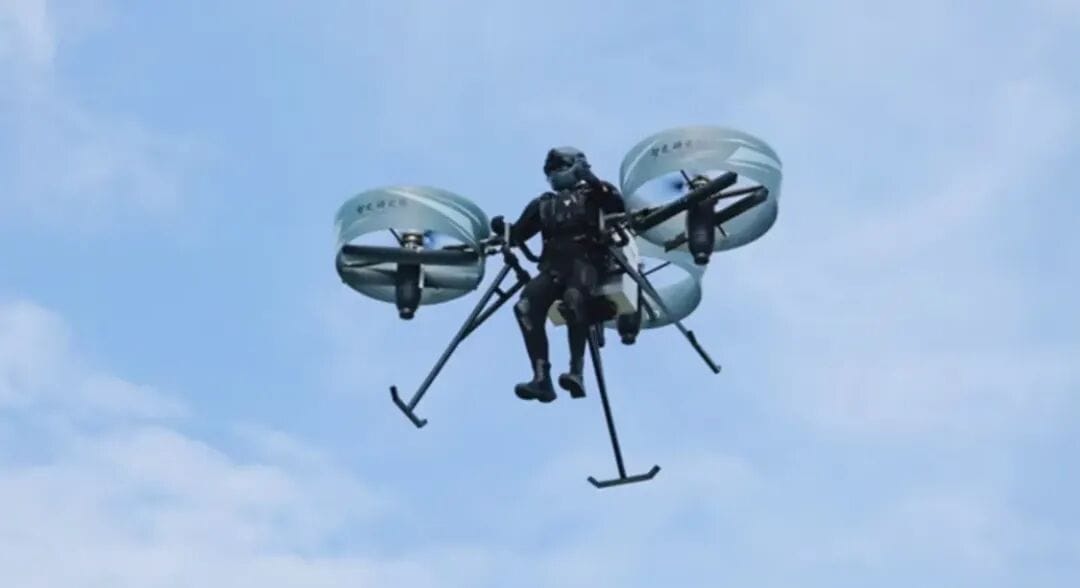
(Yunqi Town, Hangzhou, West Lake District — test flight pilot in gear reminiscent of Iron Man. Image: Hangzhou Zhi Yuan Research Institute)
---
Mass Production Meets Capital Frenzy
2025 is being called the first year of mass production for embodied intelligence:
- Big moves by unicorns:
- Zhi Yuan Robotics completed share restructuring.
- Unitree Robotics began IPO counseling.
- Over a dozen firms are rushing to list.
- Internet giants join in: JD.com, Tencent, and Alibaba are acquiring into the sector, raising barriers for new entrants.
Reality check: Behind the exuberance, many star firms are still losing money. Capital excitement meets commercialization anxiety — defining the real state of the industry.

---
Capital’s “Blazing Oil Feast”: Losses Across the Board
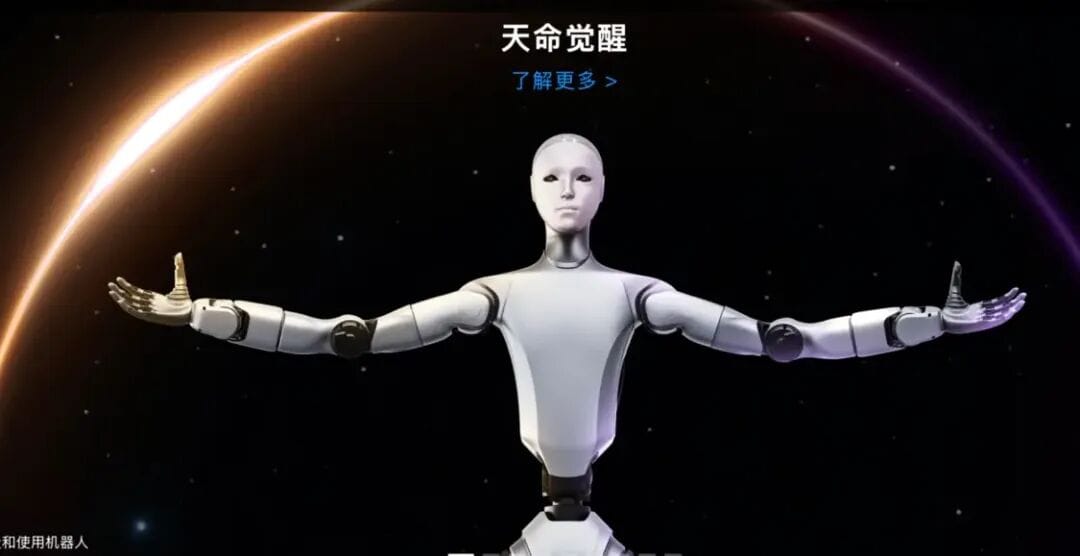
The 2025 spotlight: XPeng’s humanoid robot IRON and Elon Musk’s endorsement fueled investors’ frenzy.
Yet financial filings tell a sobering story.
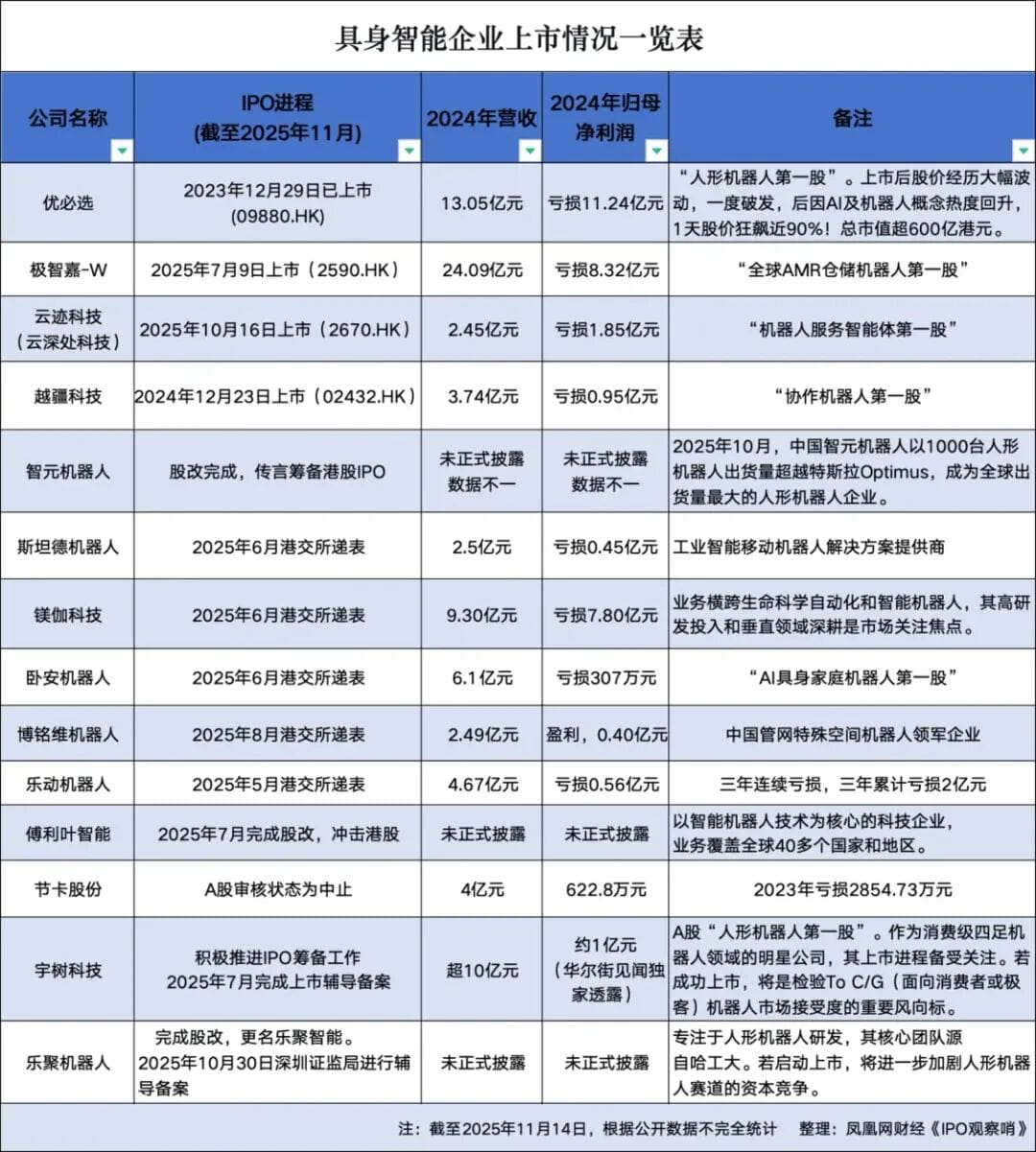
Loss‑making IPO hopefuls in 2024:
- Geek+
- Yunji Technology
- Ufactory
- Stand Robotics
- Mega Robotics
- Woan Robotics
- Ledong Robotics
Even UBTECH — dubbed “first humanoid robot stock” — posted 1.305B RMB revenue, but 1.124B RMB net loss in 2024.
Other examples:
- Mega Robotics: Revenue doubled in 2 years (455M → 930M RMB), but annual net losses stayed at 700–800M RMB.
- Stand Robotics: 251M revenue in 2024, yet 273M RMB losses across 3 years.
- Ledong Robotics: >40% CAGR, 467M revenue, still lost 56.48M RMB.
- Woan Robotics: 610M revenue peak, but 3.07M RMB annual loss; over 100M RMB cumulative loss.
Why so unprofitable?
- High R&D intensity:
- Stand Robotics spends >18% of revenue on R&D.
- UBTECH invests ~40% annually into R&D.
- Long cycles, high investment, and slow adoption curves.
Bright spots:
- Unitree Robotics: ~100M RMB net profit in 2024.
- Boombing Robotics: Profitable, but at risk of customer concentration.
---
Why the Rush to IPO Despite Losses?
Robots are stepping from lab to living room — but profitability is distant. Many founders view IPOs as a way to secure:
- Long‑term funding
- Strategic market positioning
- Ecosystem advantage (over short‑term profits)
They’re also constrained by investment terms:
- IPO or buyback within 5 years
- Founders face joint liability & unlimited personal guarantees — risking personal assets if targets aren’t met.
Investor Reality Check
- Current “robotics era” profit turning point is still ~3 years away.
- “One robot per household” could take a decade.

---
Policy & Capital Connectivity: The Hong Kong Chapter 18C Effect
Hong Kong’s Chapter 18C allows non-profitable tech companies to go public, offering:
- International capital access
- Relief from dwindling RMB-based financing
In 2025, embodied intelligence entered the national strategic priority list, spurring local policy support and fueling the IPO wave.
Yang, a partner in GEIA — Global Embodied Intelligence Accelerator, predicts:
- Faster track evolution & iteration
- Bubble squeeze‑out and resource concentration in top‑tier firms
---
From Blue Ocean to Red Ocean
Demand is booming — and competition is intensifying:
- Mid‑to‑low‑end price wars: ¥80k–¥100k vs high‑end ¥250k models.
- Supply chain risks:
- Stand Robotics suffered component shortages in 2022, halting production.
- Humanoid robot components (servos, reduction gears, controllers) = >70% of costs.
Market Challenges
- Overheated investment → low-quality projects get funded.
- “Marionette show” demos in pitches.
- Commercialization needs real-world data, but most robots are still in demo stage.
---
Strategic Recommendations from Yang
- Reverse product development: Start with exact application needs, then build tech.
- Feasible entry points:
- Consumer companionship & entertainment
- Industrial/service niches
- Upgrade traditional robotics with embodied intelligence — driving M&A.
Favorite picks:
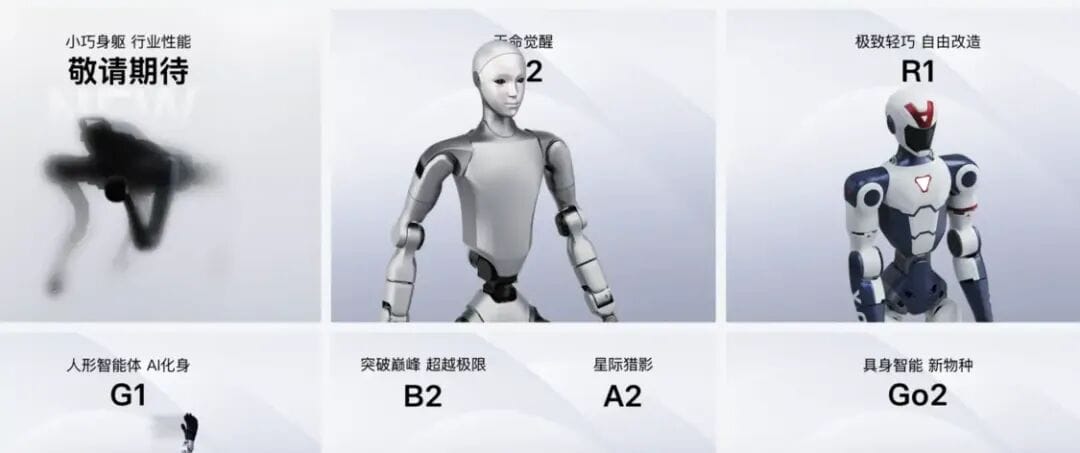
- Unitree Robotics → product prowess
- Zhiyuan Robotics → strong ecosystem-building
---
AI Tools as Strategic Allies
Platforms like AiToEarn官网 provide open‑source global AI content monetization — integrating:
- AI content generation
- Multi‑platform publishing (Douyin, Kwai, WeChat, Bilibili, Rednote, Facebook, Instagram, LinkedIn, Threads, YouTube, Pinterest, X)
- Analytics & model ranking (AI模型排名)
Such tools mirror the interconnected thinking embodied intelligence companies need — combining creation, distribution, and storytelling to accelerate adoption.
---
Capital Wager: Next Tesla or Next Bubble?
Tesla took a decade of losses before profitability.
Now, embodied intelligence IPOs are betting on the next trillion‑yuan market.
Final Test:
The firm that crosses break‑even first with a scalable, replicable business model will claim the “ticket to the future.”
---
In short:
Embodied intelligence is now a national priority, capital markets are ablaze, but the road to mass‑market adoption is long, costly, and competitive. Those who master innovation + commercialization + communication will lead — others risk burning out before the robots arrive in every home.