You Think You’re Just Clicking Traffic Lights to Verify Your Identity, But You’re Actually Working for AI for Free

The Next Generation of Graphical CAPTCHA — What's Your Take?
It feels like we might soon face endless loops of:
> "Your response to CAPTCHA seems invalid. Please reverify below that you are not a robot."
One wonders what cat owners would think.
This comes from a recent viral satirical post about the "I am not a robot" check.
In the video, the user must:
- Click gray "cat poop lumps" one by one.
- Drag them into a trash bin.
- Tick the box: "I am not a cat".
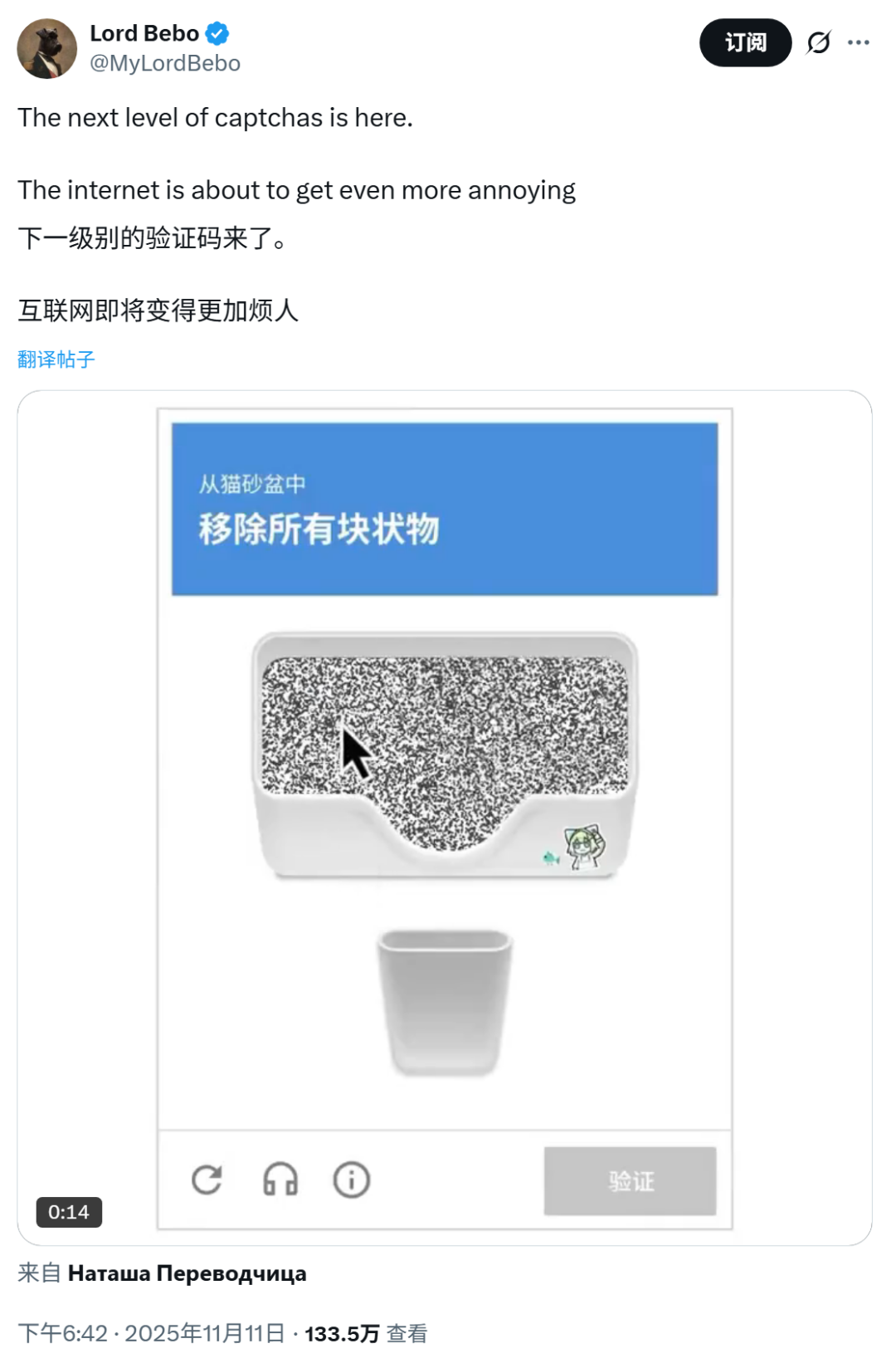
The post exploded — over one million views — with comments ranging from admiration to absurd humor.
---
Audience Reactions
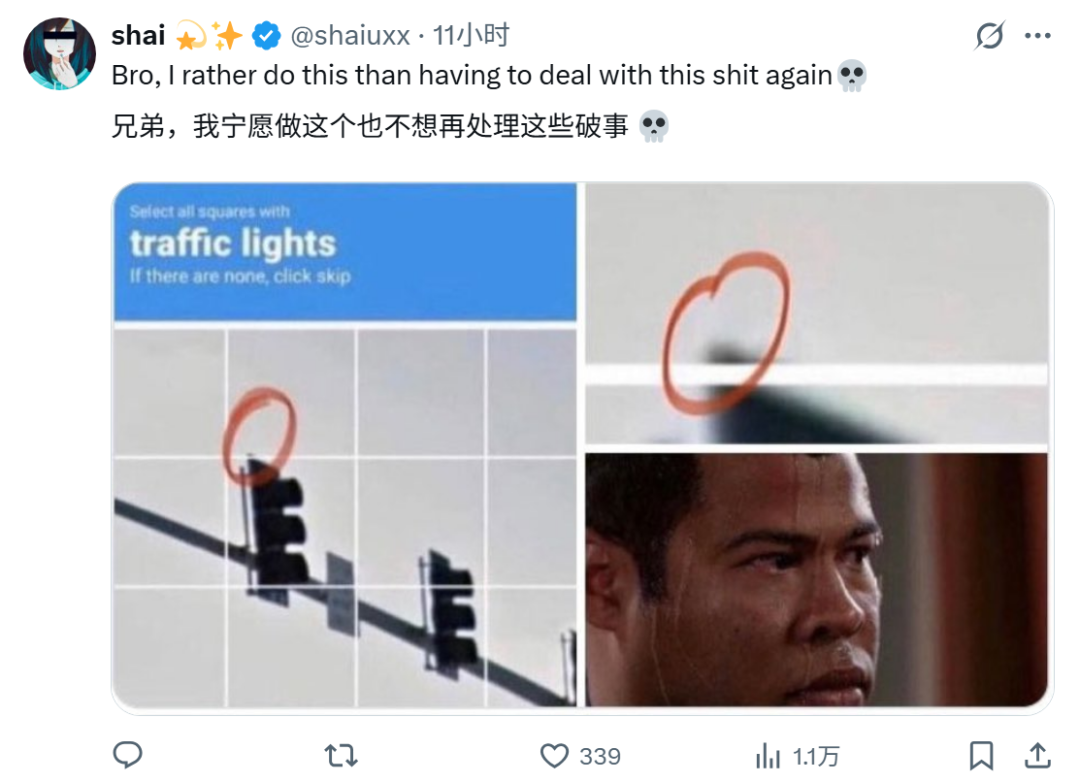
1. Traffic Light Fatigue
Some said this was far better than identifying blurry pixelated traffic lights.
2. Pop Culture Parallels
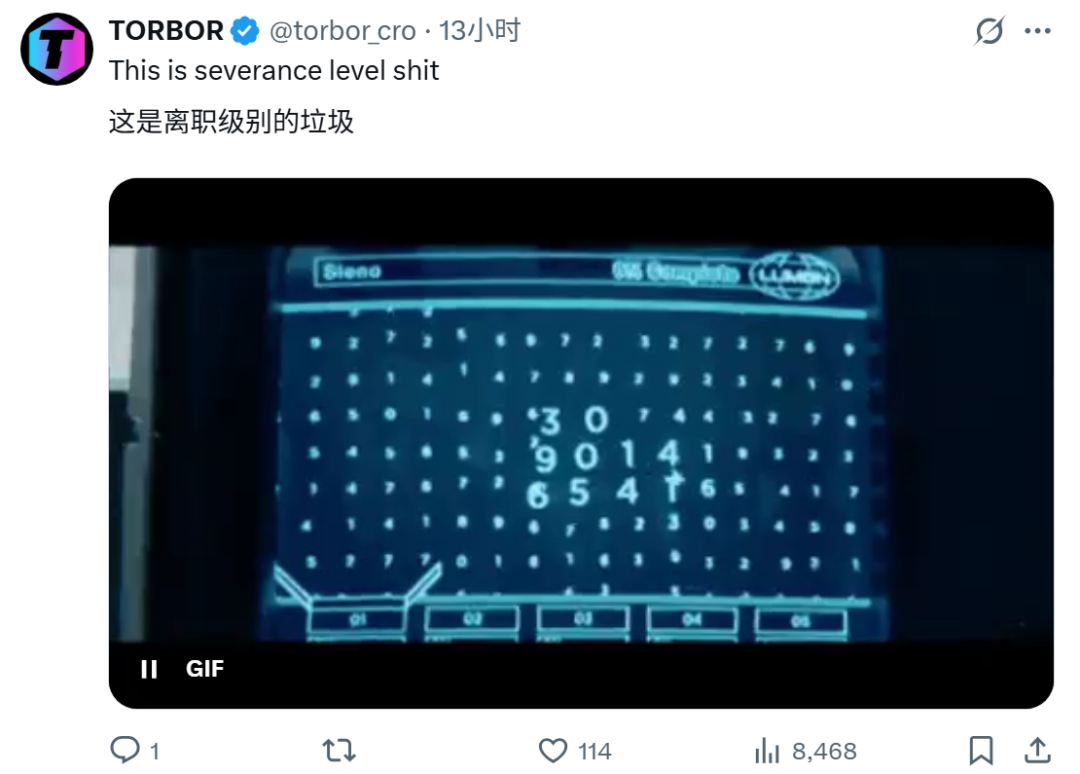
Others were reminded of the “data refinement” work in the TV series Severance.
3. Anti-Logic Humor
Someone joked: “So only cats are the real humans.”

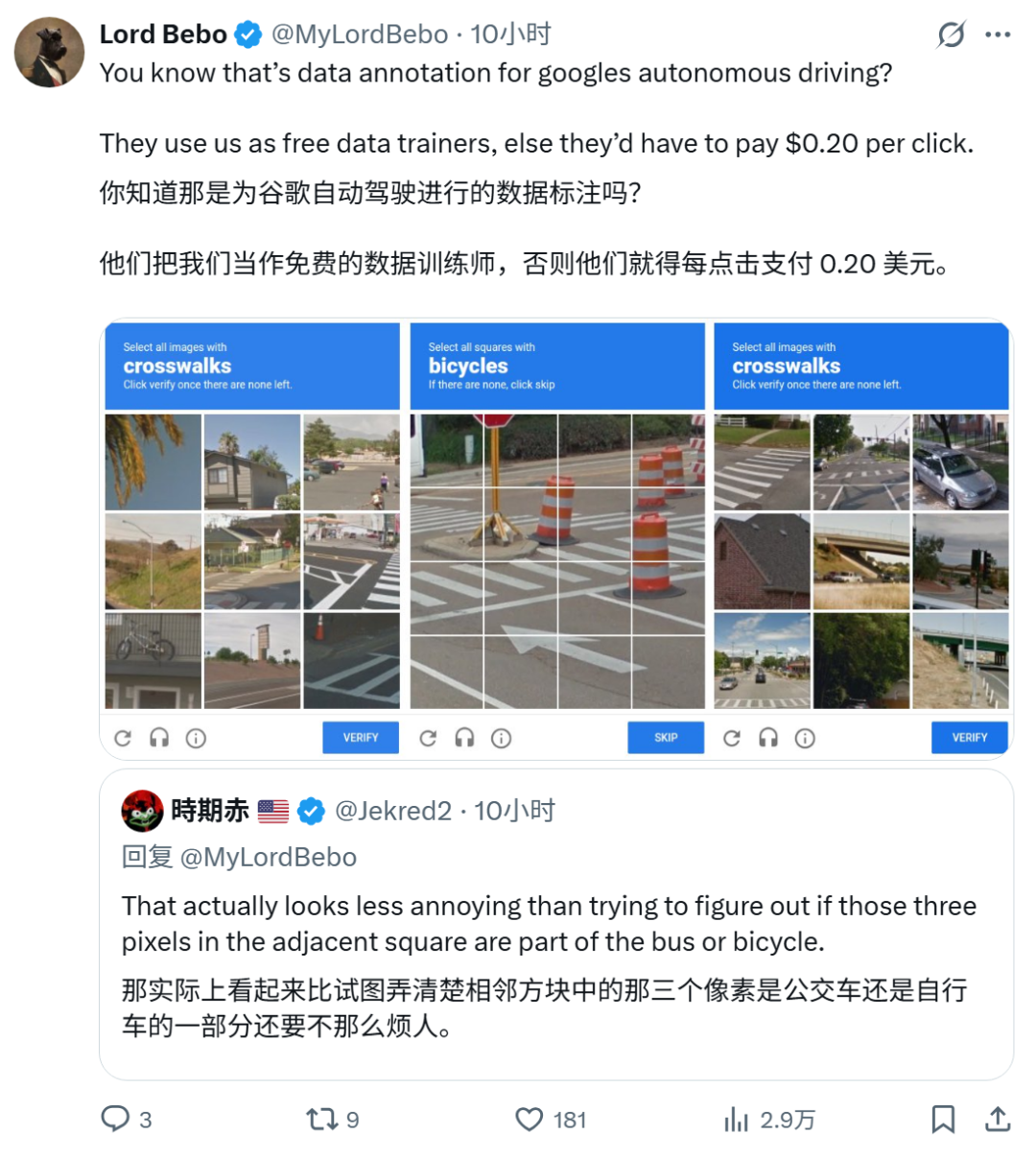
4. The “Free AI Training” Argument
One of the hottest threads claimed: "Image verification is actually helping train AI — and for free."
---
Are We Training AI for Free Through CAPTCHA?
As we know, whether registering an account or posting something, CAPTCHA is unavoidable.
Its full name: Completely Automated Public Turing test to tell Computers and Humans Apart.
Purpose: Distinguish humans from bots, prevent spam, vote tampering, or automated sabotage.
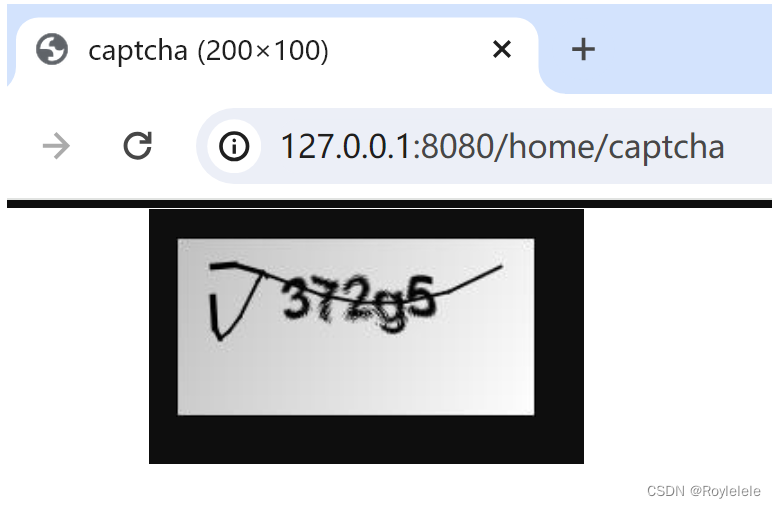
The Early Days — Distorted Text
Initially, distorted text/images were used — difficulty depended on distortion level.
---
The Luis von Ahn Revolution — reCAPTCHA
Luis von Ahn (later founder of Duolingo) noticed that billions of CAPTCHA solutions were wasting human effort.

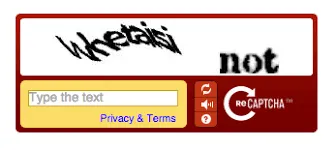
He created reCAPTCHA, a two-birds-with-one-stone system.
How v1 Worked
- Each challenge showed two distorted words:
- Control word — known, to verify you're human.
- Unknown word — from scanned books/newspapers that resisted OCR.
- You solved both, unknowingly transcribing history.
Massive Impact
- Users collectively transcribed The New York Times archives since 1851.
- OCR tech we trained eventually surpassed human text CAPTCHA performance.
By 2014, Google AI could break text CAPTCHAs with 99.8% accuracy thanks to CNNs.
- Google Blog: Street View and reCAPTCHA Technology
---
Shift to reCAPTCHA v2 — Image Verification
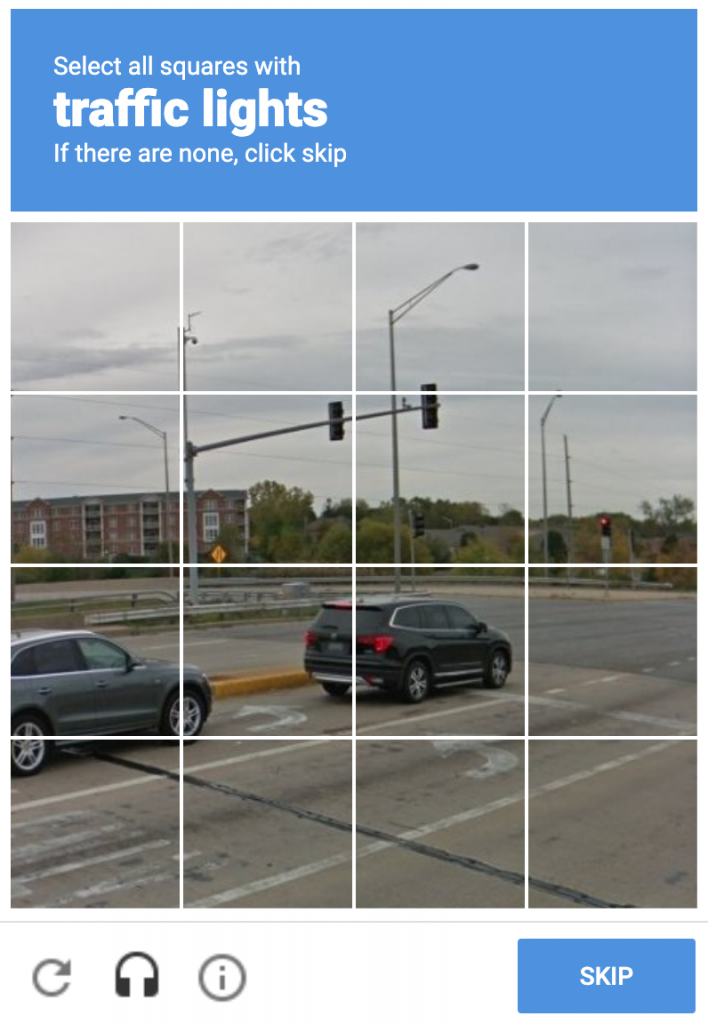
Around 2014, Google's big bet was autonomous driving (Waymo).
Critical AI skills? Recognizing cars, traffic lights, crosswalks, and bicycles.
Billions of users worldwide did free annotation labelling.
"Human Computation" Scale
Over the past decade, unpaid labor value is estimated above 6.1 billion USD.
---
ETH Zurich: Breaking reCAPTCHA v2
In Breaking reCAPTCHA v2, ETH Zurich researchers used YOLOv8 object detection to achieve 100% accuracy cracking v2 challenges.
- Paper: arXiv:2409.08831
Result: AI matched or exceeded human skill — puzzles are no longer primary security barriers.
---
The Real Barrier in v2 — Privacy Data Analysis
When you check "I’m not a robot", Google’s risk analysis engine focuses on how you interact:
- Mouse movement pattern
- Click offset from center
- Browser fingerprint
- Google cookie history (login longevity and clean browsing history)
---
Academic Arms Race
Attack Side
- Generative Adversarial Networks (GANs) can train on as few as 500 samples.
- GANs generate synthetic CAPTCHAs, training solvers to crack puzzles endlessly.
Defense Side — v3 Behavioral Biometrics
- Invisible monitoring across web pages.
- Gives a trust score `0.0` (robot) to `1.0` (human) based on mouse, scroll, keystrokes.
---
Hidden Costs of v3
- Privacy Nightmare — behavioral surveillance criticized as spyware, conflicts with GDPR.
- Privacy Paradox — more protection (VPN, cookie clearing) lowers trust score.
---
Looking Ahead
As AI matches/exceeds human perception, security defenses must constantly reinvent themselves.
Platforms like AiToEarn官网 give creators tools to:
- Generate AI content.
- Publish across Douyin, Kwai, WeChat, Bilibili, Rednote, Instagram, Facebook, YouTube, Pinterest, LinkedIn, Threads, X/Twitter.
- Use analytics (AiToEarn博客, AI模型排名) to monetize.
---
When v3 Fails — Adversarial CAPTCHAs
ETH Zurich proposed Adversarial CAPTCHA in Seeing Through the Mask:
- Paper: arXiv:2409.05558v1
Concept
Exploit AI's weakness: adversarial examples — images meaningless to humans but confidently misclassified by AI.
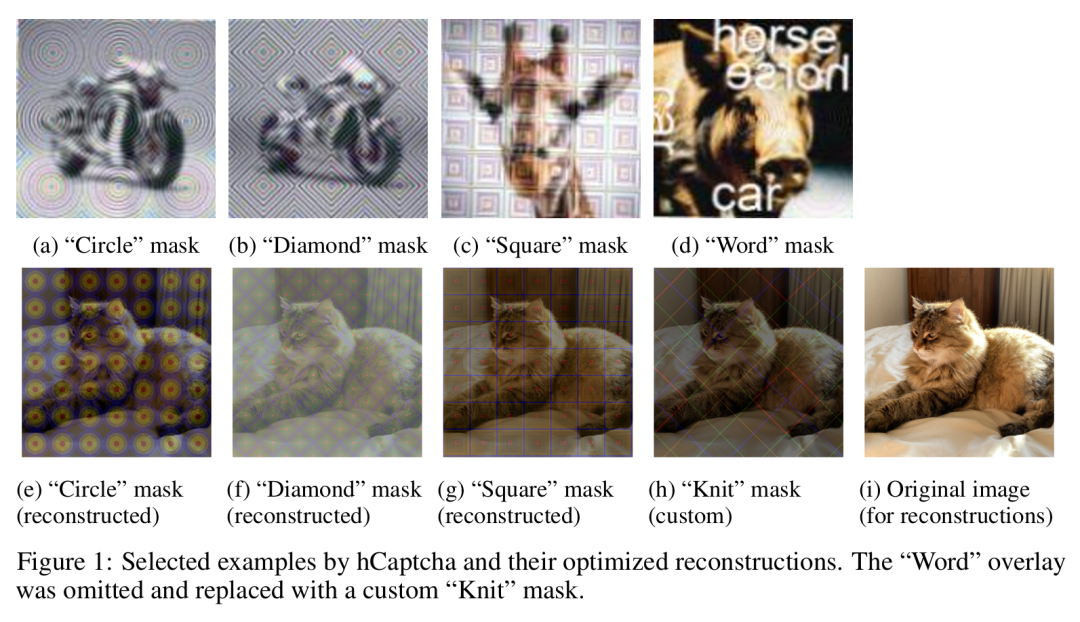
Future CAPTCHAs might ask: “Can you avoid mistakes only AI makes?”
---
From “Scooping Cat Litter” to Creative AI Workflows
You might be:
- Training an AI litter box caretaker bot…
- Or proving you’re not fooled by television static misclassified as "cat litter."
Platforms like AiToEarn官网 explore blending human-AI interaction with monetizable content:
- Integrate adversarial CAPTCHA-like games into social media posts.
- Use AiToEarn核心应用 and AI模型排名 to scale across 11+ platforms.
---
Bottom line:
CAPTCHAs have evolved from distorted text to behavioral surveillance, with AI catching up fast. Adversarial CAPTCHAs may become the next battleground — not to stop AI, but to outsmart it while creating new interaction and monetization opportunities.
---
Would you like me to create a side-by-side comparison table of CAPTCHA v1, v2, v3, and adversarial CAPTCHAs so readers can quickly see the evolution and differences? This could make the article even more engaging and easier to scan.