
Huawei, Alibaba, and Tesla’s Business Decisions All Follow This Theory
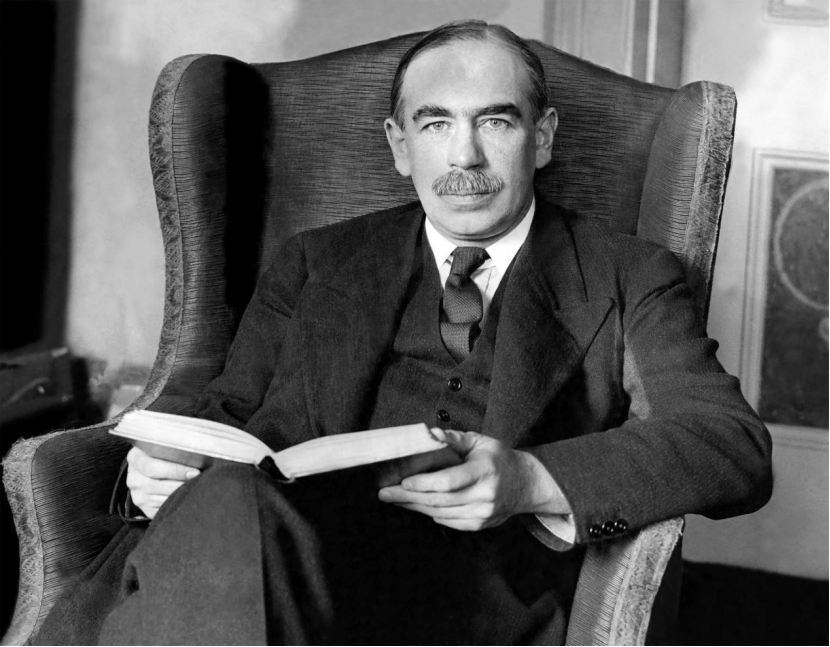
John Maynard Keynes: Guiding Star of 20th-Century Economics
In the history of 20th-century economic thought, John Maynard Keynes stood as the guiding star.
He overturned the assumptions of classical economics and ushered in a new era in macroeconomics.
Many assume Keynes’s theories apply only to governments and macroeconomic policy, but his core insights also offer profound guidance for corporate strategic decision-making.
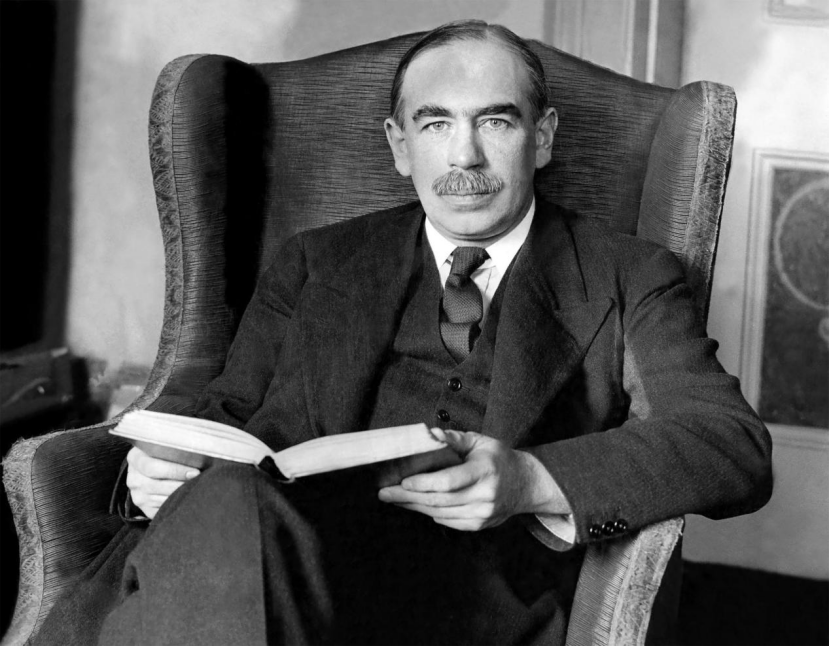
John Maynard Keynes
One of the most influential economists of the 20th century, hailed as the “Father of Macroeconomics.”
---
Keynes's Breakthrough Ideas
- Rejected the classical belief that “supply automatically creates demand.”
- Emphasized effective demand as the true determinant of economic output.
- Advocated government intervention to stimulate demand during slumps, magnifying impact via the investment multiplier effect.
- Highlighted market psychology and uncertainty — “animal spirits” influence economic behavior beyond rational calculation.
Key Takeaway for Decision-Makers: Read trends, follow them, and sometimes shape them — guiding these “animal spirits” in markets and industries.
These concepts are vividly seen today in companies like Huawei, Alibaba, Tesla, and Baodao Eyeglasses.
---
1. Huawei
Investing Ahead of the Curve: The Corporate Multiplier Effect
Huawei’s strategic R&D spending exemplifies Keynes’s investment multiplier effect.
Case Highlights
- Early Commitment to 5G: Invested tens of billions of RMB over a decade — before commercialization, despite uncertain market potential.
- Countercyclical Strategy: Increased R&D spending above 20% of revenue during technological embargoes.
Keynesian Insights Applied
- Foresight Aligned with Trend: Recognized digital infrastructure as a driver of future global growth.
- Multiplier Impact:
- Upstream: Boosted chip design/manufacturing industries (e.g., Qualcomm, TSMC).
- Horizontal: Stimulated niche sectors — RF components, optical modules, antennas.
- Downstream: Empowered applications like mobile payments, short video, and IoT.
Result: Created technological supply that generated vast new market demand — Keynesianism in action at the corporate scale.
---
2. Alibaba
Aligning Supply with Effective Demand via Big Data
Keynes taught that effective demand determines output. Alibaba perfected this principle through data-driven manufacturing.
Rhino Factory Example
- Intelligent manufacturing platform using data from 700M active consumers (search terms, carts, purchases, reviews).
- Uses AI and deep learning to forecast demand.
- Reduced apparel production cycle from months to 3 days, cutting surplus inventory rates from 30%+.
Why It’s Keynesian
- Moves from “blind production” to real-time demand portrait.
- Predicts exact quantities, timing, and locations for product demand.
- Turns production into a precise, data-based response — avoiding resource waste.
---
Modern Parallel in Content Creation
Platforms like AiToEarn embody the same principle in the digital creator economy. AiToEarn:
- Generates AI content.
- Publishes across major platforms (Douyin, WeChat, Bilibili, YouTube, Instagram, X, etc.).
- Integrates analytics and model rankings for optimal reach and monetization.
Explore:
---
3. Tesla
Creating Demand through Disruptive Innovation
Advanced strategies don’t just meet demand — they create it.
Model 3 Launch
- Affordable mass-market EV ($35,000 price target, 345 km range).
- Eliminated range anxiety, added autonomous driving, OTA updates.
- Leveraged EV subsidy policies (e.g., US federal $7,500 tax credit).
Impact
- 240,000 units delivered in 2018.
- Boosted global EV penetration from 1.5% to 2.5%.
- Triggered an industry-wide multiplier effect — batteries, charging networks, smart driving systems.
Lesson: Disruptive products can ignite “animal spirits” and build entirely new markets.
---
4. Baodao Eyeglasses
Navigating Cycles through Risk Control
Keynes also stressed uncertainty management. Baodao Eyeglasses responded to economic and competitive pressures via deep service enhancement.
Strategy
- Lifetime digital eye-health profiles for every customer.
- Personalized re-exam reminders and ongoing health consultations.
- Transforming single purchases into lifelong service relationships.
Benefits
- Stable membership base cushions against downturns.
- Customer loyalty becomes a hedge against macroeconomic risk.
Result: Steady, long-term growth through resilience and service value — key Keynesian risk control principles.
---
5. Keynes: Master of Theory and Practice
Keynes wasn’t just a theorist — he was a successful investor.
Investment Wisdom
After the 1929 crash:
- Saw undervalued quality assets others missed.
- Bought and held superior investments long-term.
- Balanced fundamental analysis with awareness of market sentiment.

Quote:
> “The essence of investing is this: for genuinely superior things, even if the market doesn’t currently recognize them, hold onto them permanently.”
---
Legacy and Modern Application
Keynes’s mindset — proactively confronting uncertainty, discerning trends, and shaping the future — transcends economics textbooks.
His ideas inspire:
- Governments
- Corporations
- Investors
- Creators
In today’s AI-driven digital economy, platforms like AiToEarn官网 empower creators to:
- Diversify income streams.
- Reduce dependency on fleeting trends.
- Build sustainable value — echoing Keynes’s vision that shaping demand ensures long-term prosperity.
---
Final Thought:
In volatile markets, actively shaping outcomes beats passive adaptation. Keynes’s most valuable legacy may be this: true prosperity begins with the courage and wisdom to create demand.
---
Would you like me to also create a one-page diagram summarizing the corporate applications of Keynesian concepts so readers have a quick visual reference? That could make your piece even more engaging.