# Product Demand-Desire Model: **How to Build a Great Product**

We are republishing a previously popular article — [**Product Demand-Desire Model: How to Build a Great Product?**](https://mp.weixin.qq.com/s?__biz=MjM5NjM5MjQ4MQ==&mid=2651640011&idx=2&sn=76058f5cac19eaa76e7b9c4a3425cc30&chksm=bd118b858a6602935e4a428a55614698f890a6cf7b87b1aa9dee23f6b31f78a03ef842cf00fc&scene=21#wechat_redirect).
We hope it brings you fresh insight and inspiration.
---
## Introduction
Entrepreneurs often ask:
> *"How do you create a truly great product?"*
Examples include:
- **Expanding markets:** Companies moving from overseas contracts to domestic sales struggle to make products that sell locally.
- **World-changing dreams:** Startups aiming to create products that change the world or preserve cultural heritage ask how to start.
- **Price-value paradox:** Businesses offering same quality as big brands at half the price see no traction.
The pattern?
There is a **deep desire** to build great products — but frustration when the market doesn’t respond.
The brutal truth: the real measure of a product isn’t the *founder’s* expectations — it’s whether it meets **user expectations**.
---
## **Understanding the Product Demand-Desire Model**
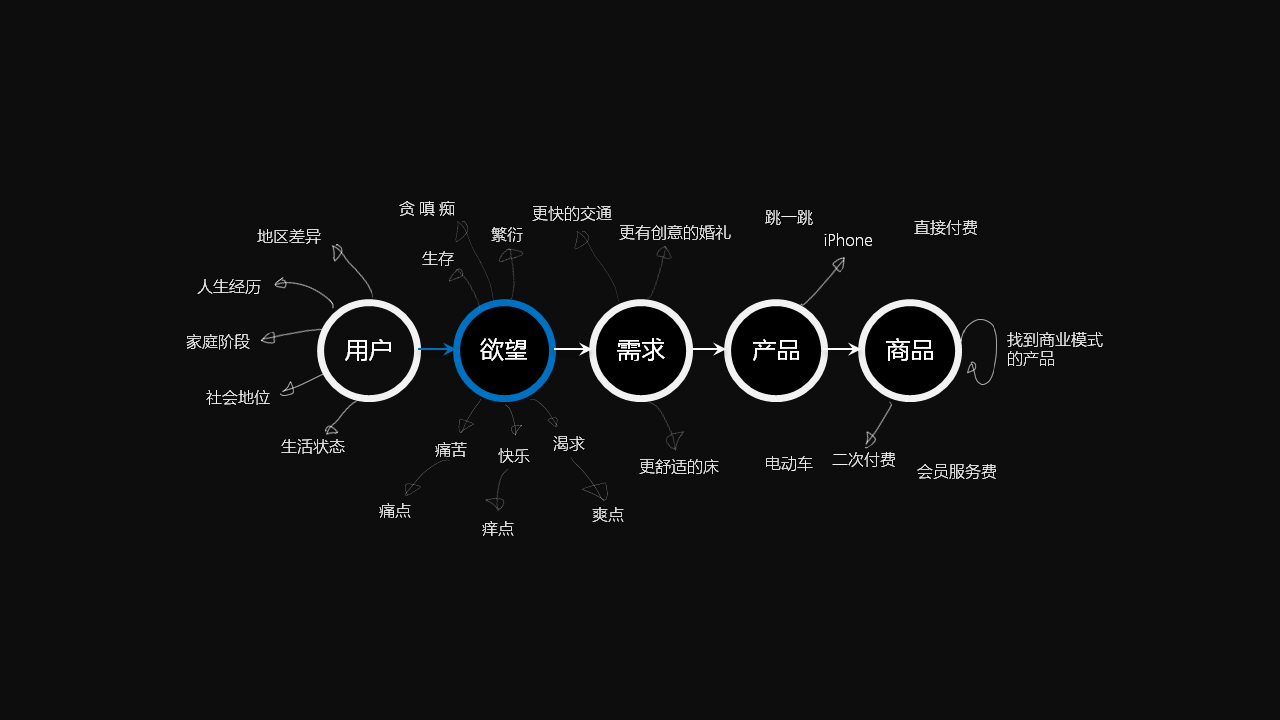


### Step 1 — Know What "User Needs" Really Are
- Users can’t tell you the exact product they want. They can only describe what they **desire**.
- **Example:** A customer says they want a drill.
Reality:
1. They want a hole in the wall.
2. They want to hang a photo.
3. They want to relive happy moments → dopamine release → joy.
**Key insight:** All user needs ultimately map to **dopamine triggers** — emotional and physiological satisfaction.
---
## **From Features to Feelings**
Draw a line from your product’s **features** to the **dopamine** outcome:
- Which layer does your product serve?
- Don’t stop at the surface-level utility — dig until you hit the *emotion*.
In modern AI-driven content creation, this principle applies equally to **products** and **digital media**.
Open-source platforms like [AiToEarn官网](https://aitoearn.ai/) integrate:
- AI content generation
- Multi-platform publishing
- Analytics and model ranking
This allows creators to connect *deep user desires* with their output, across sites like Douyin, Kwai, WeChat, Bilibili, Xiaohongshu, Facebook, Instagram, LinkedIn, Threads, YouTube, Pinterest, and X (Twitter).
---
## **Only This Kind of Product Truly Meets User Needs**
**Starting point of all business:** Consumer benefit.
Your dream is secondary — the market rewards products that serve **users first**.
### Key Principles:
1. Measure **how deeply** your product meets consumer needs.
2. Satisfy the consumer → your dream may follow.
3. Focus on *desire satisfaction*, not just technical performance.


---
## **Needs Are Desires**
### Reframing “Dopamine” into “Desire”
It’s easier to remember and understand. Leading thinkers frame desire via theories like:
#### **Clayton Christensen’s “Job to be Done”**
- Every product helps a user **complete a task**.
- Milkshake case: Drivers chose milkshakes over other foods because it kept them busy (avoiding road boredom) and was practical while driving.
---
### **Rigid Demand Is Not Enough**
- Meeting a rigid demand (e.g., food, water) doesn’t guarantee success.
- **True win:** Meet a rigid demand **at lower cost, with better user experience**.
---
### **Creative Tension Theory**
- Gap between reality and vision → psychological discomfort → action (if manageable).
- All user needs come from desire to **become a certain version of themselves**.
- Sales are often driven by **the sense of a gap**.
---
## **Why Study Desire**
To:
- **Clearly know** which desires you satisfy.
- Recognize the product is a **tool for desire fulfillment**.
Example: Hair-thin, ultra-strong material may not sell as bungee cord — trust (fear factor) matters.


---
## **Product vs. Commodity**
A **product** becomes a **commodity** when:
- It’s designed for exchange.
- Transaction costs are low enough for widespread trade.
### Keystone Multiplier:
Retail Price ÷ Production Cost:
- Apparel: 5–10×
- Cosmetics: 20–50×
High multiplier ≠ high profit — distribution and marketing eat margins. Cosmetics need high spend on ads, endorsements, mall space.
**Lesson:** Meeting desires is not enough — products must be **efficiently tradable**.


---
## **Destination of All Commodities: The Brand**
### Why Build a Brand?
Brands lower **choice costs** for consumers.
A trusted name = faster decision, lower psychological risk.
#### Brand as a Symbol of Assurance
- Hand the consumer a "knife" — if you betray them, they can harm your brand value.
- Trust is built through years of brand investment.
- Reducing **choice cost** is the brand’s key role.
**Modern shortcut:**
Tools like [AiToEarn](https://aitoearn.ai/) reduce distribution and trust-building cost for creators, enabling cross-platform presence and monetization — contributing to brand-like authority.
---
### Long-Term Competitive Advantage
- Competitors may match your features, but **brand lowers choice cost**.
- Brand outlasts product features.
- **Ultimate destination** of a product = **brand**.

---
## **Six Key Points to Remember**
1. **Serve user needs**, not just your dreams.
2. Product = tool to fulfill desires, not just specs.
3. Desire satisfaction = closing reality–vision gap.
4. Only tradable products become commodities.
5. Brand = knife for the consumer.
6. Endgame of every product journey = Brand.
---
## Final Reflection
In today’s fast-moving market:
- Integrating AI content tools like [AiToEarn官网](https://aitoearn.ai/) into product or brand strategy can:
- Extend reach
- Build trust faster
- Lower consumer decision cost
The **Product Demand-Desire Model** bridges psychology, commerce, and branding — guiding you from product creation → market acceptance → brand endurance.
Mutual encouragement on the journey ahead.