Traffic Costs Are Soaring and Return Rates Rising — Women’s Fashion Turns to Offline Survival

Major Shifts in China’s Clothing Industry

This year, China’s apparel sector witnessed two landmark events:
- Uniqlo’s “Defection” to JD.com
- September: Partnered with JD.com to launch new products, integrate with JD Logistics, and debut sales via the JD platform.
- This marked Uniqlo’s second collaboration with JD.com; in 2015, they opened a JD store (despite being an Alibaba client) but closed it after three months.
- In 2022, they also began selling via Douyin live streams.
- E-commerce Women’s Wear Brands Moving Offline
- October: KEIGAN opened a physical store in a century-old Shanghai building, featuring minimalist, art-gallery-like interiors.
- KEIGAN — a Taobao-born brand — is part of the “Taobao Big Four” (CHIC JOC, UNICA, CEST M, KEIGAN). These brands emphasize affordable luxury with premium pricing.
- Three of the four have already launched their first brick-and-mortar stores in 2024.
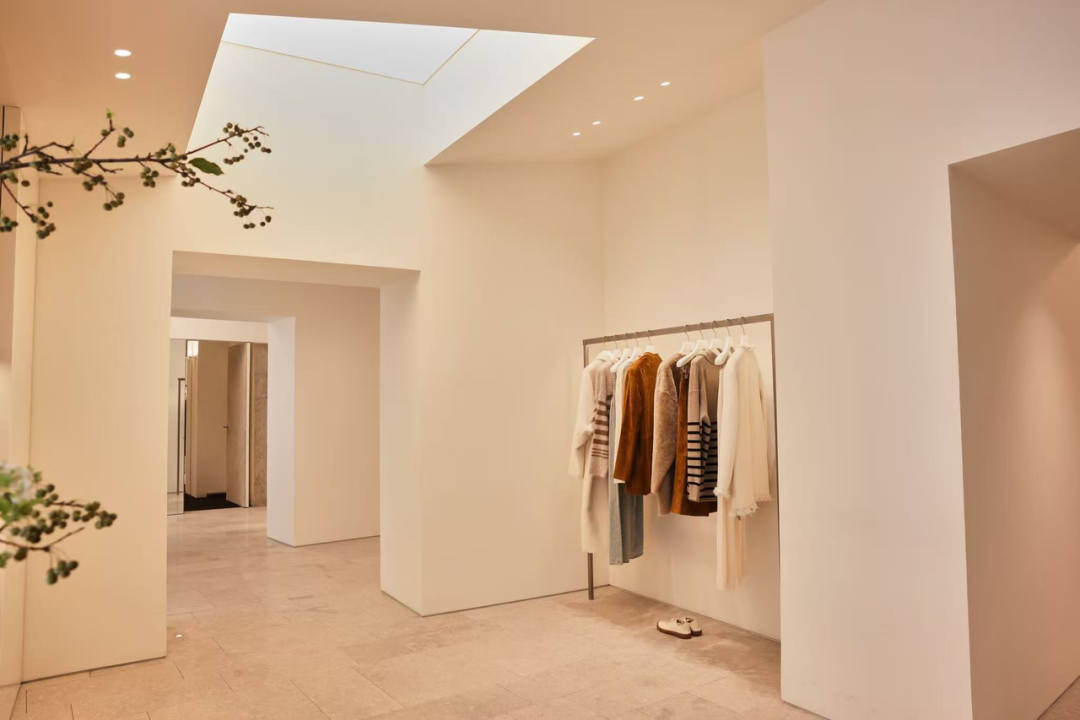
KEIGAN’s first store — more empty space than clothing displays
While Uniqlo’s expansion signals a performance recovery strategy, online-born women’s wear brands are chasing more than just rent — they’re pursuing offline influence.
---
The Long-Running “Go Offline or Not?” Debate

- 2015 Double 11: Uniqlo surpassed Korean brand Handu Yishe to lead women’s fashion sales.
- Two opposing strategies emerged:
- Pro-offline — Fang Jianhua (Inman): An internet brand without offline won’t survive over five years.
- Stay-online — Zhao Yingguang (Handu Yishe): Doing both online & offline well is impossible.
Outcome:
- Inman opened 600 stores and remained healthy.
- Handu Yishe faded from prominence.
- Offline veterans eventually dominated both online and offline channels.
- By 2022’s Double 11, zero pure e-commerce brands ranked in the top ten.
---
E-commerce Platforms and the Traffic Cost Spiral

- Brick-and-mortar brands embraced e-commerce, driving outsourced operations to boom — six IPOs in the sector.
- Platforms prioritized globally known brands like Uniqlo.
- Rising traffic costs:
- 2014–2023: Mid/high-end womenswear’s online penetration grew from <4% to 15.7% (Huatai Securities).
- Taobao’s customer acquisition cost rose 12× (2017–2022).
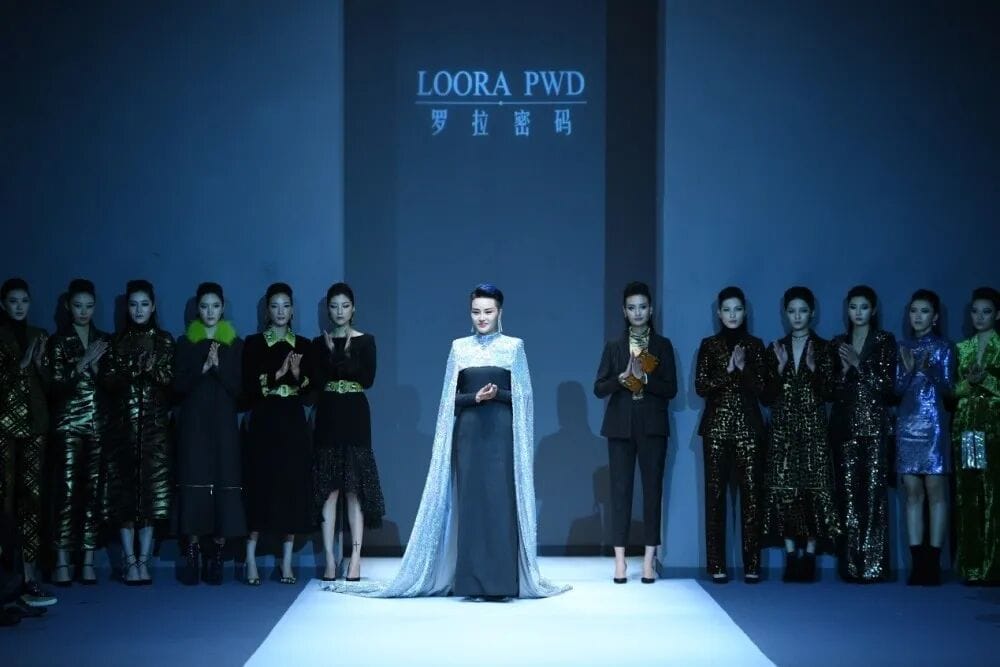
- 2021 onward: Average return rates soared — “Lola Password” saw 70–80% returns and 10× traffic cost increases.
---
The Cost of Fashion — Returns & Inventory

Why Women’s Clothing Suffers More Online Returns
- Different body shapes & tastes make fit less predictable.
- Cosmetics (high penetration category) rarely face this issue.
Example: Rongmei — Longtime Taobao brand, purely online:
- Return rate: 59% → 70%+ (2020–2024).
Inventory Pressure
- Unsold returned items go stale quickly.
- Presale models partially offset returns but frustrate customers.
- Platforms often prefer high GMV over merchant profitability.
Fang Jianhua’s protest: Convenient returns drive up merchant costs and risks.
---
Traffic Costs from Content Platforms

- Douyin, Kwai, Xiaohongshu dominate traffic sources.
- Their “internal circulation” e-commerce models raise acquisition costs for non-integrated platforms.
---
Re-entering Offline Channels
Why Going Offline Makes Sense Now
- Physical retail avoids high return rate problems.
- Post-2022 mall vacancy rates >5% — lower rents.
- High-end malls seek quality tenants amid slowing luxury store growth (-38%).
Examples:
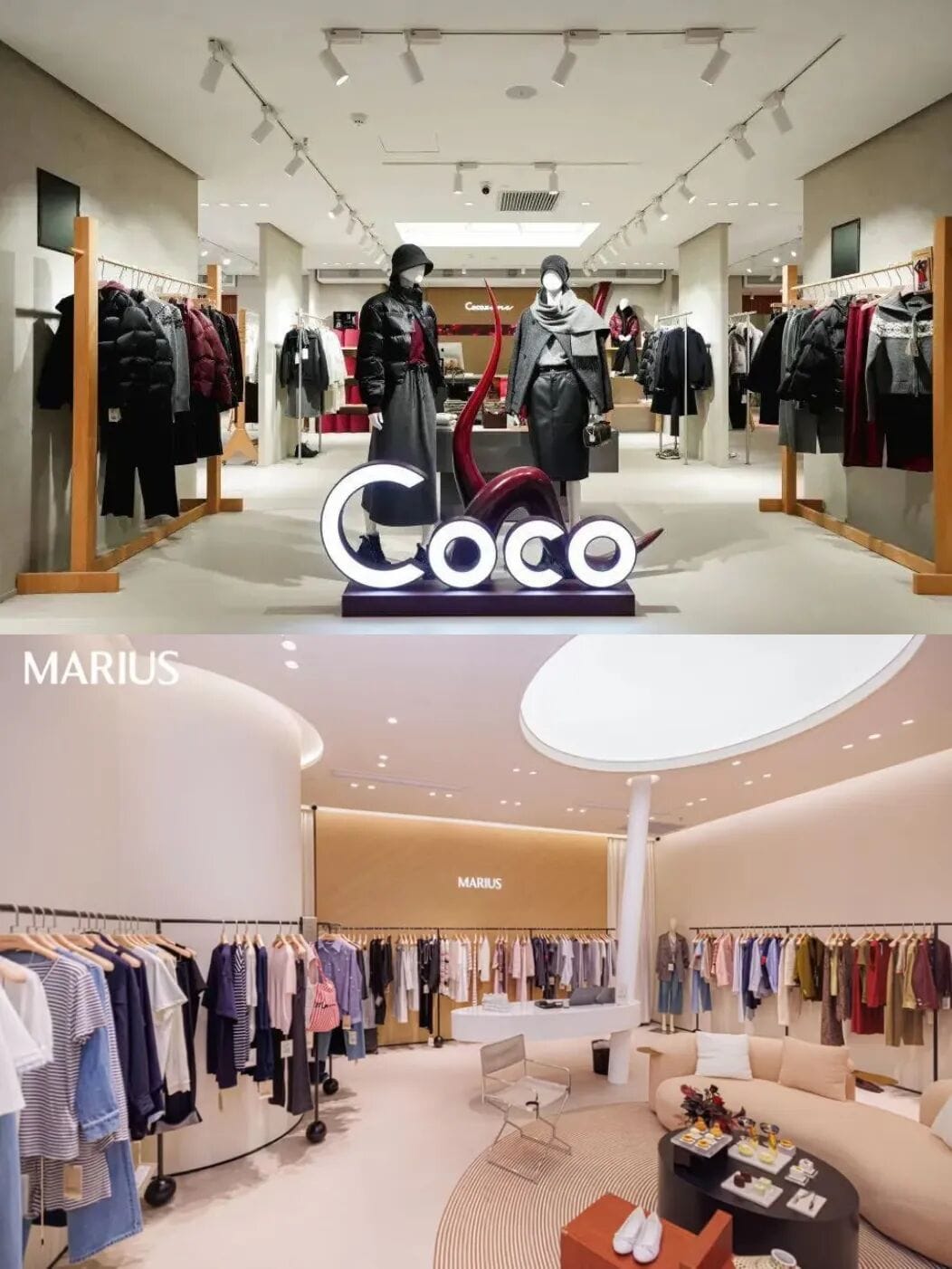
- COCO ZONE, MARUIS, TWOI Design Lab — moving from Douyin/Xiaohongshu into malls.
- Malls & mysterious luxury-style Taobao brands find mutual benefit.

---
Bigger Vision — The “Larger Store” Era
Fang Jianhua’s forecast:
> “More stores aren’t necessarily better — bigger stores can be.”
Case: H&M Style Residence (Shanghai Huaihai Middle Road)
- 6,000㎡ store with café, flower shop, home goods, exhibitions — repositioned as a brand lifestyle hub.
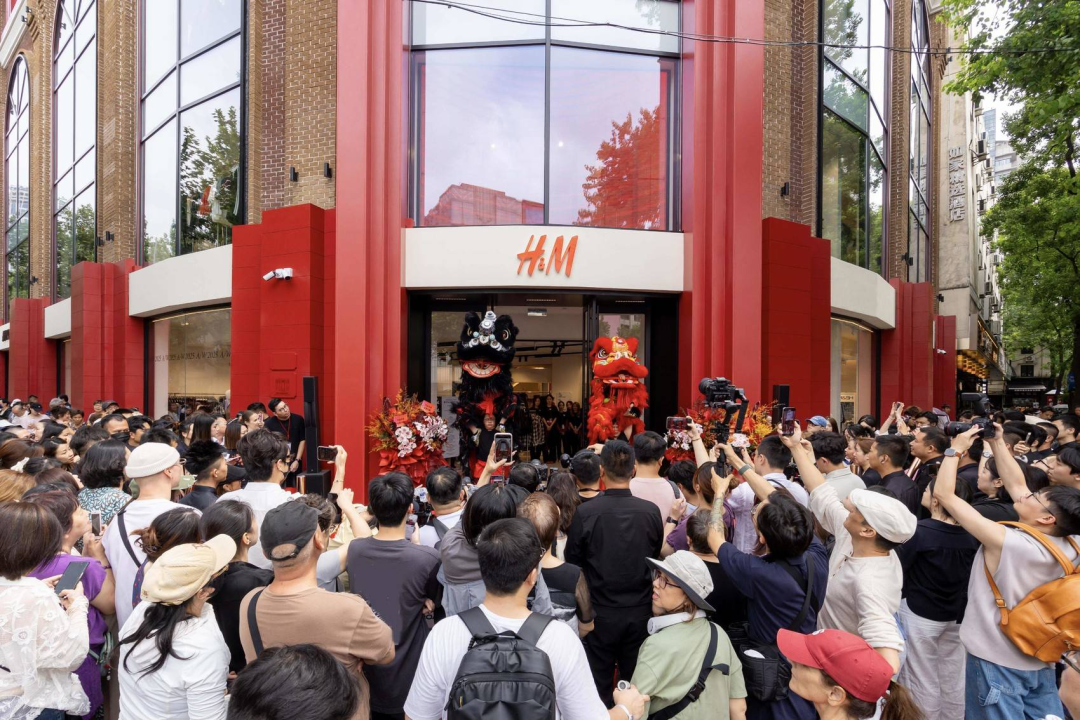
Other brands (Uniqlo, ZARA, UR, Youngor) are closing small branches in favor of large flagship stores in top locations:
- Stores now act as brand image billboards.
- Presence near luxury brands boosts perception for newer labels.

---
Dual-Channel Traffic Synergy
Large stores:
- Convert offline foot traffic into private traffic pools (WeChat groups/apps).
- Enable direct-to-consumer selling without platform fees.
- Offer cost-effective customer acquisition compared to algorithm-driven online traffic.
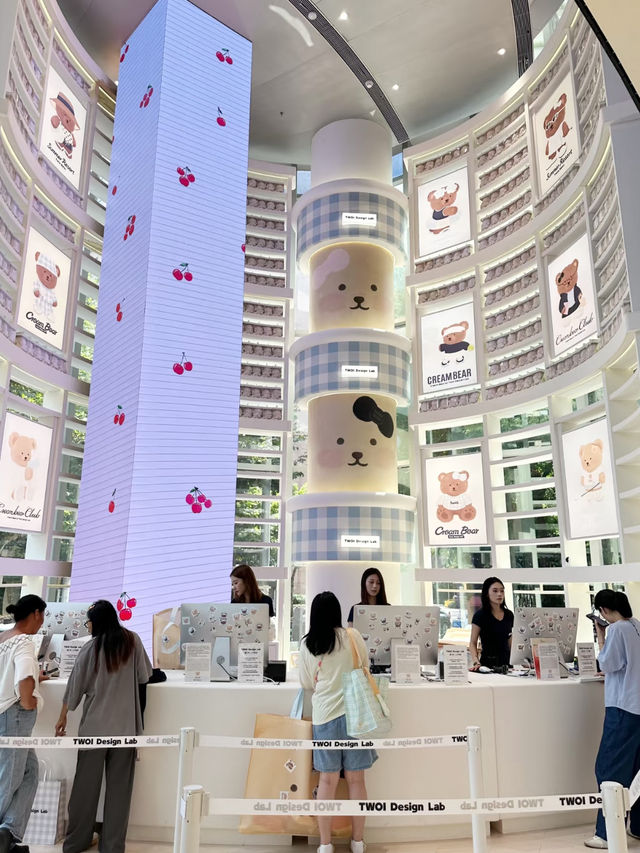
Case: TWOI’s cp Jing’an Plaza opening
- Queue >8 hours, store closed opening day due to overcrowding.
---
Final Takeaways
- Women’s clothing has embraced omnichannel retail after a decade of debate — neither purely online nor purely offline is viable long term.
- Large flagship stores double as marketing assets and traffic gateways.
- Rising traffic and return costs are pushing brands toward offline experience-led models.
- Digital tools & AI platforms like AiToEarn官网 help brands unify content creation, distribution, analytics, and monetization across Douyin, BiliBili, Instagram, YouTube, and beyond.
---
References
[1] Paida Media — Interview with Fang Jianhua, Inman
[2] Huatai Securities — Consumer Insight Series
[3] Tianfeng Securities — Pinduoduo Analysis
[4] Luxe.CO — China Luxury Brand Vitality Ranking H1 2025
[5] WinShang — MARIUS Offline Breakthrough
---
In Short: The future of fashion retail lies in balancing online efficiency with offline experience — harnessing flagship stores as brand beacons and using AI-driven smart tools to amplify reach across multiple platforms while controlling costs.