---
# Luckin Coffee: From Scandal to Market Leader
**Editor's Note:**
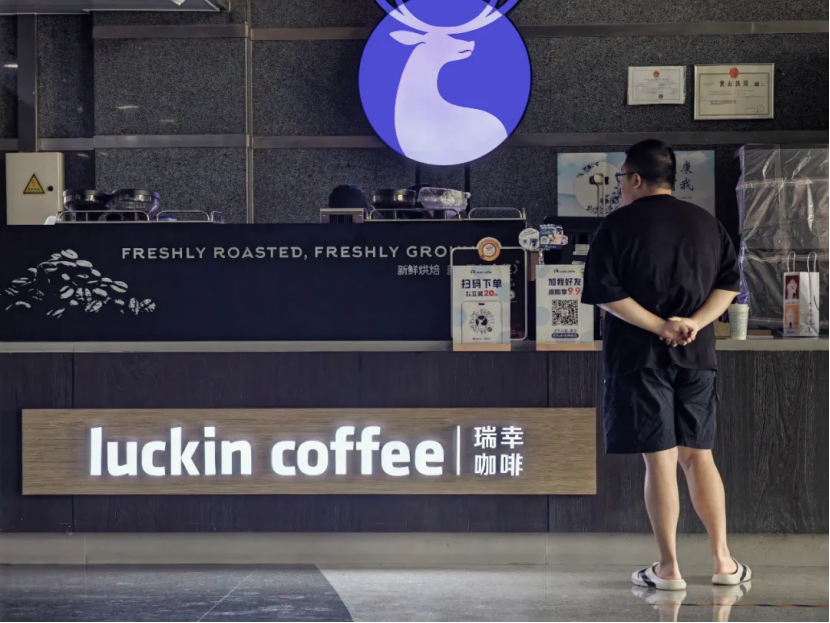
Luckin Coffee — a remarkable benchmark in China’s coffee industry.
Founded in Xiamen in October 2017, Luckin Coffee quickly attracted two rounds of lead investment from **Centurium Capital** in 2018, making Centurium its largest external investor. In 2020, the brand was rocked by a financial fraud scandal. At its lowest point, Centurium injected capital twice — in 2021 and 2022 — becoming the controlling shareholder.
In just five years, Luckin pivoted from potential delisting and heavy losses to profitability, overtaking Starbucks in 2023 to become China’s largest coffee company.
On November 17, the company reported its Q3 results:
- **Net revenue:** RMB 15.287 billion (up 50.2% YoY)
- **Operating profit (GAAP):** RMB 1.777 billion (margin: 11.6%)
- **Store count:** 29,214 locations
CEO **Guo Jinyi** addressed IPO rumors during the earnings call:
> “The company currently has no clear timetable for returning to the main board market.”
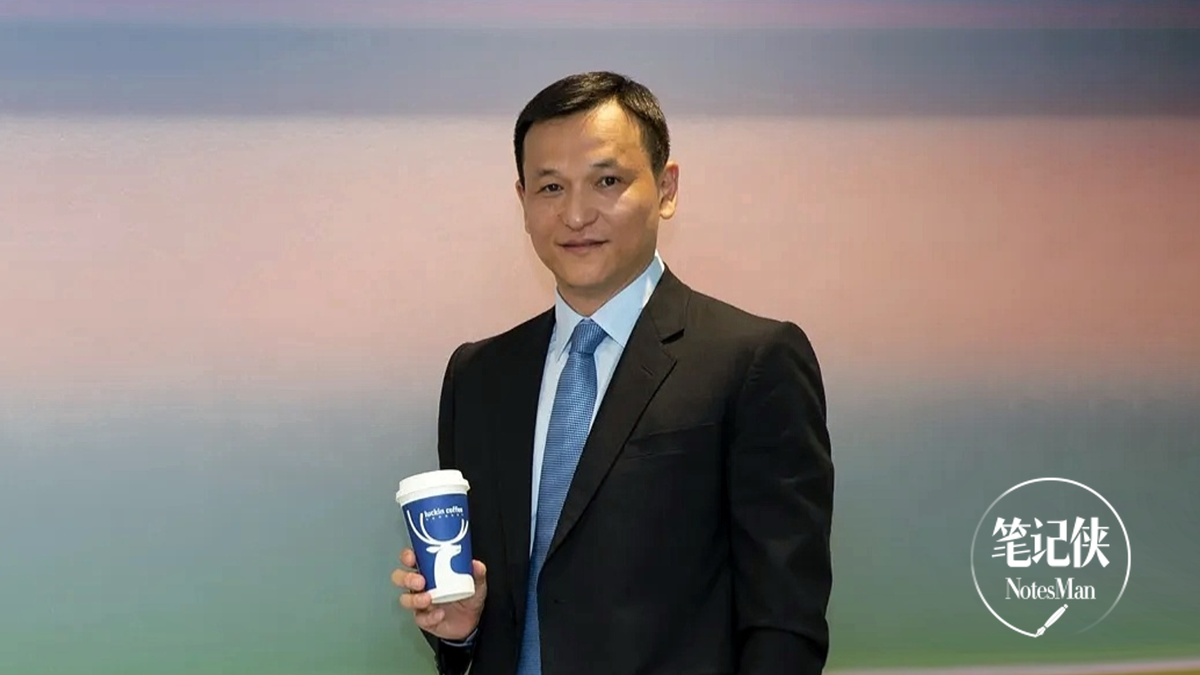
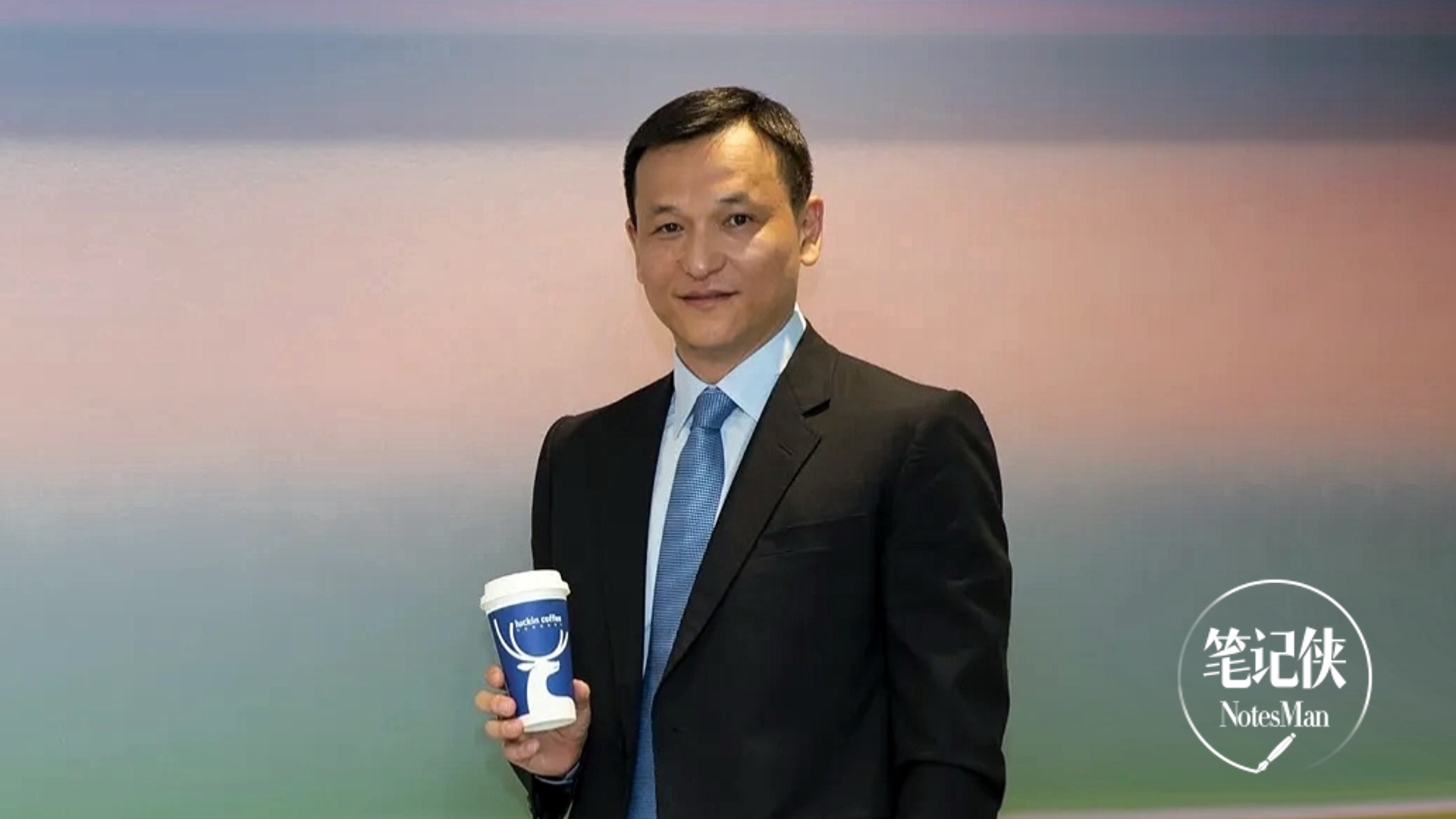
In April 2025, Centurium founder Li Hui rejoined Luckin’s Board as Chairman. Why now? What drove the turnaround? And what’s Luckin’s plan for store expansion?
---
## I. Becoming Chairman of Luckin: A Natural Progression
### 1. From Behind-the-Scenes to Front Stage
Although Li Hui left the Board in 2020, Centurium remained closely involved as Luckin’s controlling shareholder. At today’s critical stage — expanding market coverage in China and pursuing a **“Go Global”** strategy — the Board wanted him to play a greater role.
**Modern Corporate Governance Model:**
- Clear division of responsibilities among shareholders, Board, and management.
- Monthly meetings with management to maintain proximity to operational reality (“hear the gunfire”).
- Visits to over a dozen regional offices each year.
- Balancing start-up agility with structured governance — vital in China’s fast-moving market.
### 2. Management Philosophy: Openness & Transparency
Luckin’s management avoids unilateral decision-making; issues are debated openly. The Board engages deeply with operational realities, visiting regional branches regularly.

**Key lesson:** Governance should maintain discipline without losing entrepreneurial speed — a model relevant for other fast-growing companies.
---
## II. Luckin’s Turnaround Playbook
After the 2020 scandal, the past five years have reshaped Luckin’s structure, governance, and operations.
### 1. Restructuring Governance & Management
- Shifted from **family-style management** to modern corporate governance.
- Rebuilt:
- Profit mechanisms
- Rules & regulations
- Talent system and incentives (11% equity pool allocated in 2021)
- Operational infrastructure and technology backbone
- Embedded “truthful and pragmatic” values across operations.
### 2. Digital Transformation for Seamless Collaboration
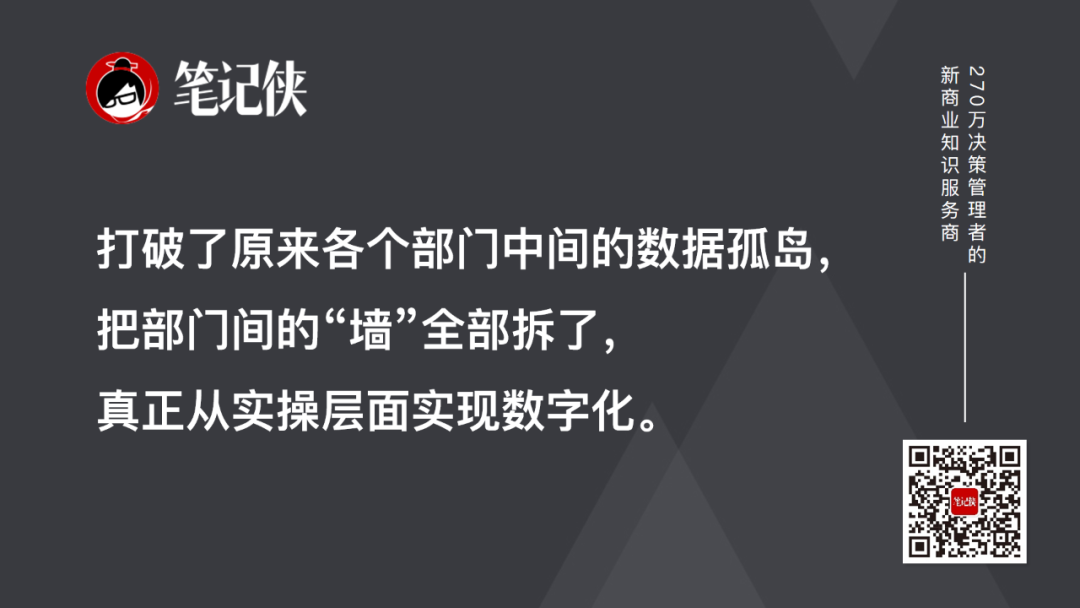
- Integrated front-, middle-, and back-office operations.
- Destroyed **data silos**, linking all operations and financial data into a **single source of truth**.
- Real-time monitoring of store-level equipment and supply chain data.
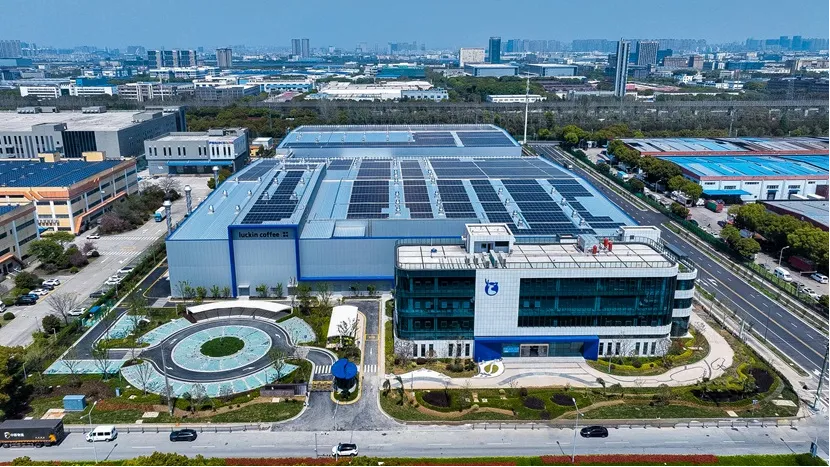
Luckin Coffee (Jiangsu) Roasting Base — Source: Interviewee
### 3. Rationalizing Store Network
- Closed two-thirds of 2020’s 4,000 stores due to poor location choices.
- Resumed expansion only in strategic sites.
### 4. Cost Reduction & Unit Profitability
**Past issues:**
- Price per coffee < RMB 10; cost > RMB 15
- 2019: Revenue RMB 3B vs Loss RMB 3B
**Fixes:**
- Control supply chain costs
- Develop profitable products
- Break-even at store level via strategic reopening
**Labor Efficiency Example:**
- Workforce: 170,000 front-line staff + 100,000+ delivery drivers
- Fully digitized scheduling → peak-hour staff optimization.
### 5. Governance Stability Enables Climb After the Valley
- Board changes and governance rebuild in August–Sept 2020.
- 2021: Operational break-even achieved.
- Stable shareholding & Board provided strategic consistency.
---
## III. Navigating New Market Shocks
### 1. Food Delivery War
**Opportunities:**
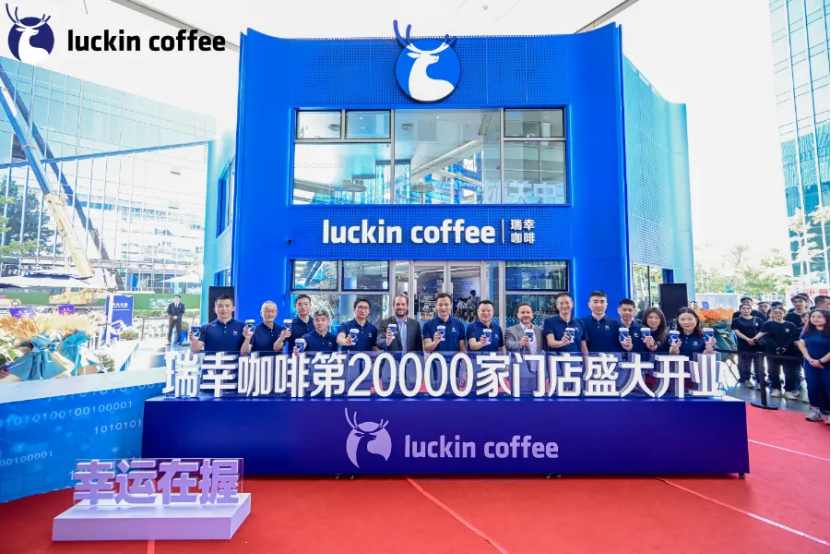
- Accelerated store expansion (from 22k to 29k in early 2025)
- Shift into open digital ecosystems
**Challenges:**
- Customer subsidies — dynamic, precise execution through digital ops
- Merchant capabilities in coverage, fulfillment, and delivery
---
### 2. Starbucks China’s Localization
Li Hui sees capacity for multiple brands in the large Chinese market. With China’s coffee bean consumption still far below Western levels, potential remains **immense**.
---
### 3. Competition: Moving Beyond Scale
Future competition will focus on **efficiency and capability**, not just footprint:
- Profit margins under different pricing strategies reveal operational competence.
---
### 4. Profit through Efficiency
- Store-level margins: ~20% (was close to 30% in peak quarters)
- Company operating margin: teens
- Trade-off: Short-term profit vs long-term network coverage
---
### 5. Store Ceiling & Market Potential
With 420M customers and rising coffee consumption frequency, Luckin sees no final ceiling yet in China.
---
## IV. Product Strategy: Beyond Coconut Latte
### 1. Co-Branding as a Growth Engine
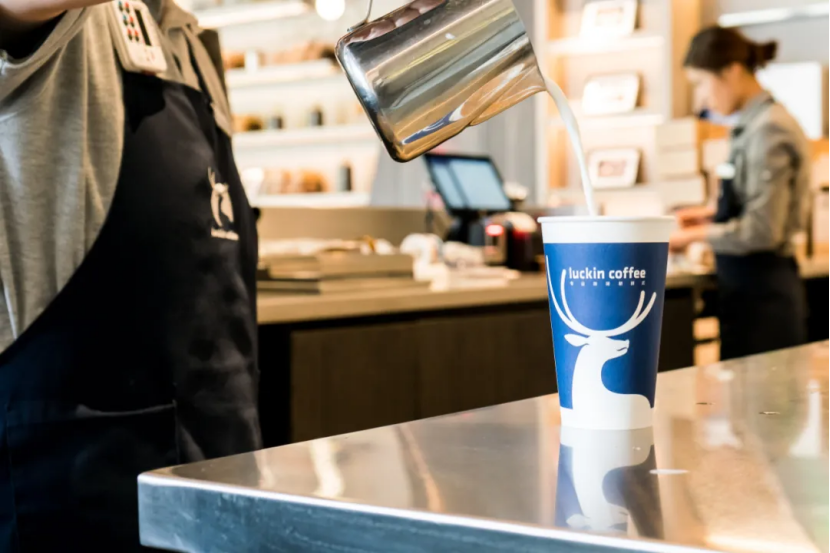
Luckin collaborates every 1–2 weeks on new co-branded products:
- Coconut Latte
- Flavored lattes
- Fruit Americanos
- Light milk teas and teas
### 2. Coffee and Milk Tea Go Hand-in-Hand
China’s fresh beverage market blends coffee and milk tea audiences.
Luckin’s **light milk tea** line meets varied consumer scenarios.
---
## V. Overseas Expansion: Steady & Pragmatic
### 1. Entry Strategy
- **Singapore**: Self-operated; 70+ stores, profitable, aiming for #2 position.
- **Malaysia**: Regional franchise model after self-op learning.
- **USA (NYC)**: 5 trial stores; local supply chain and labor challenges.
### 2. Localization Tactics
- Deploy systems locally for compliance.
- Bring Chinese suppliers overseas when local supply gaps exist.
---
## VI. Luckin’s Three Growth Flywheels
### 1. Organizational Capability
- Unified goals & values
- Strong systems — market sensitivity and agility combined with governance discipline.
### 2. System Capability
- Proprietary intelligent core business systems enable rapid scaling.
- 2023: Added 8,000 stores to reach 16k total.
- Balance system building with organizational growth capacity.
### 3. Supply Chain Development
- Dominant consumer of coconuts in China’s F&B sector (70% share).
- “Origin Plan” in Indonesia to secure raw materials.
- Foster domestic coffee machine manufacturing.
---
## VII. No Weak Links
In a **long-chain, heavy** offline business — from supply to product, to store operations, to brand management — **every link must be strong**. Any weakness caps overall potential.
Luckin’s aspiration: Build **holistic operational strength** as a sustainable competitive advantage.
---